
Blog
Tyre Bead Sealing Guide for UK Workshops 2026: Tools, Methods, and Prices
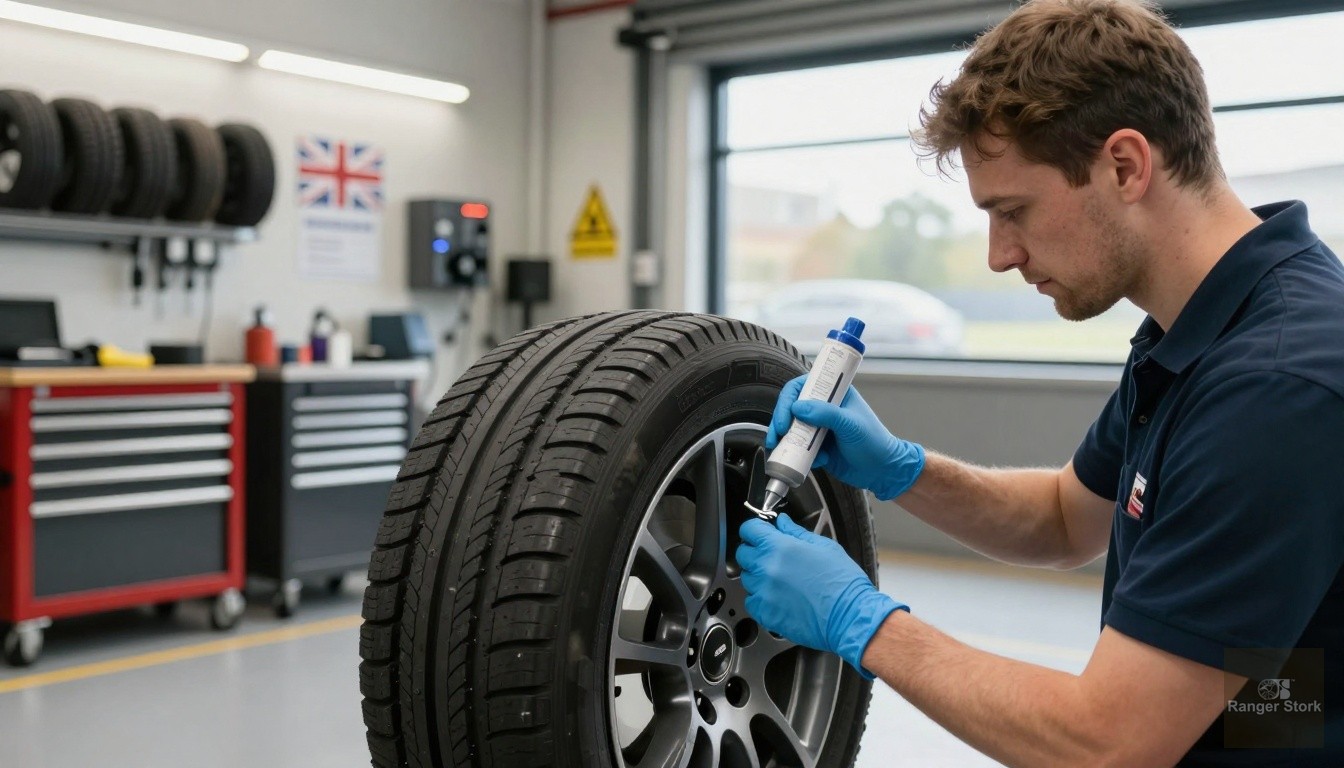
This guide shows you how to seal tyre beads correctly in your UK workshop. It covers the best ways to fix leaks on modern cars. You will learn about different sealers and how to use them. We also explain how to fix old alloy wheels. This information helps your shop make more money. It also keeps your customers safe on the road.
Tyre Repair in the UK for 2026
Tyre bead sealing is a key skill for shops today. Road conditions in the UK are changing. In 2026, customers want repairs that last a long time. They trust shops that fix the problem on the first visit. The UK weather makes this hard. Our air is often damp and cold. This wet air gets into the wheel and causes damage.
Road salt is a big problem for UK cars. Local councils spread 1.4 million tonnes of salt every winter. This salt is very strong. It eats the metal on the wheel. This mostly happens where the tyre meets the metal. This spot is called the bead seat. When this area gets damaged, air leaks out.
Modern shops do not just do “quick fixes” anymore. In the past, shops just put on a new tyre and hoped for the best. Now, you must clean and fix the rim too. You must treat the metal rim as carefully as the rubber tyre. You are the person who keeps your customers safe. A good seal keeps the tyre full of air. It also helps the car use less fuel.
Why Bead Sealing is Important Now
Data shows that 65% of slow punctures in the UK are not from nails. They are caused by rust and dirt on the wheel rim. This is a very high number. In Scotland and Northern England, the problem is even worse. The metal rots 30% faster there. This is because they use more salt on the roads. You must fix this to keep your business clients happy.
A good technician does more than just change tyres. You must know which chemicals to use. You must know how to stop leaks before they start. This guide will show you how to do that in simple steps.
Choosing the Right Sealer: Water-Based vs. Solvent-Based
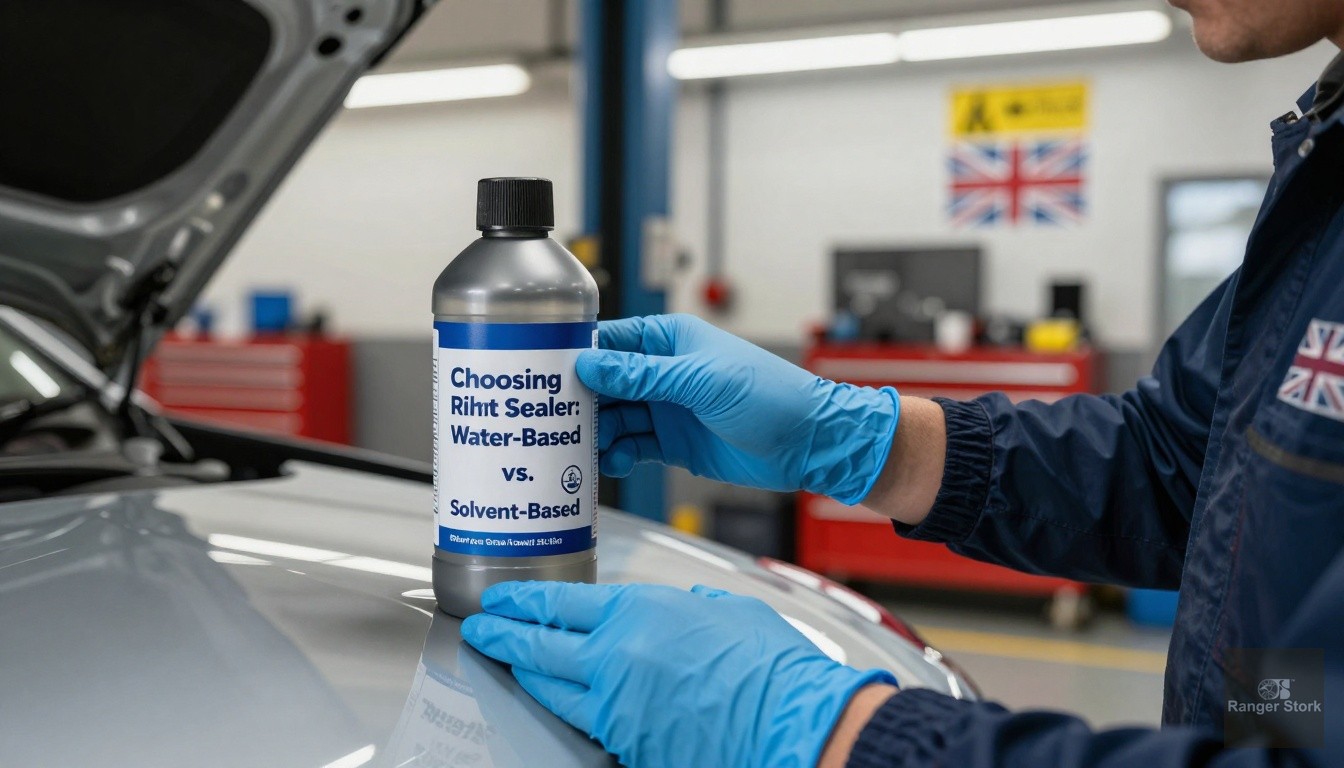
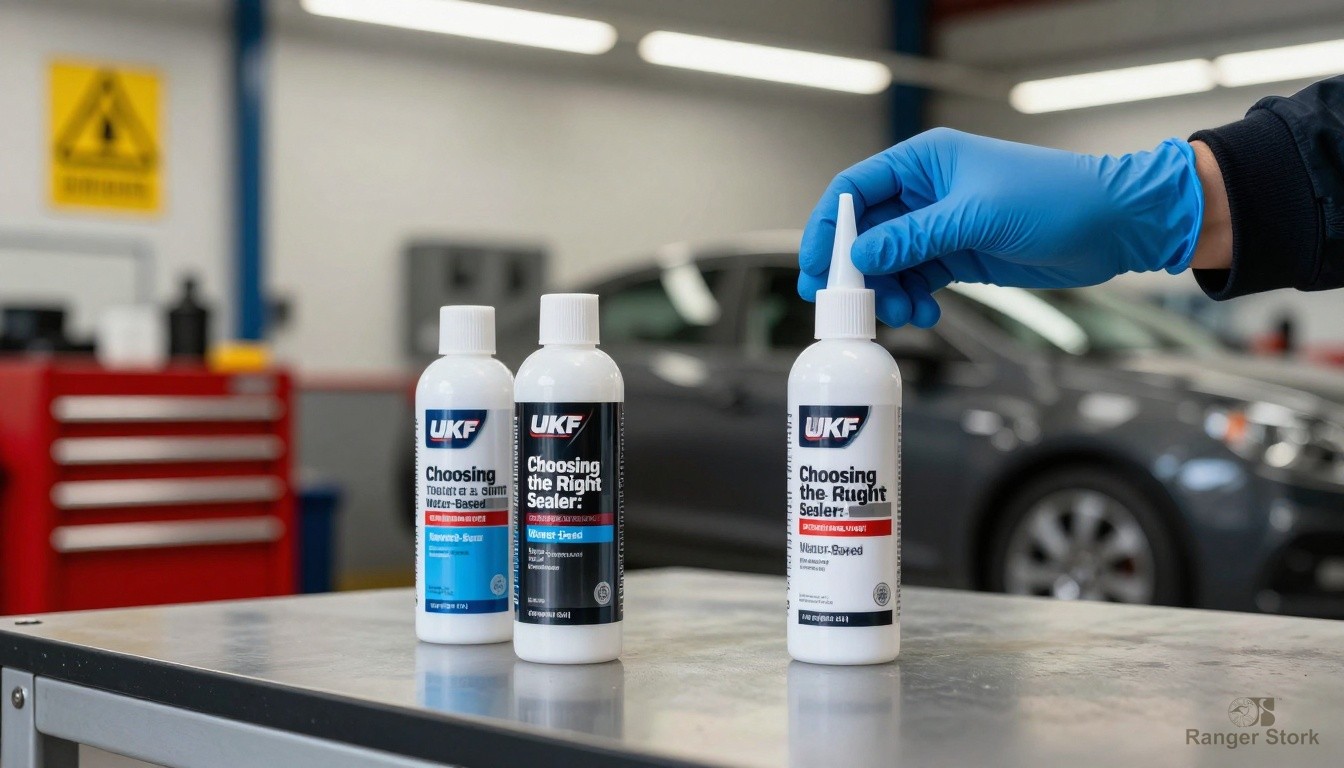
You can choose between two main types of sealers. These are water-based and solvent-based products. Each one works in a different way. Solvent-based sealers use chemicals called VOCs. These chemicals dry very fast. The sealer usually dries in less than two minutes. This is good for a busy shop that needs to move fast.
However, UK laws are getting stricter in 2026. The rules now limit the use of VOCs. Some chemicals are being banned because they are bad for your health. They can also be a fire risk. Because of this, many shops are switching to water-based sealers.
The Growth of Water-Based Sealers
Water-based sealers now make up 55% of the UK market. In 2018, they were only 20%. These sealers are better for the environment. They do not have a strong or bad smell. They are also much easier to clean up. If you spill some on a shiny wheel, you can wipe it off with a wet cloth. This keeps your workshop clean.
Question 1: Why is the choice between water-based and solvent-based sealers so important in 2026?
Answer: In 2026, UK shops must care about air quality and worker health. Solvent sealers have many VOCs. These need extra fans to keep the air safe. Modern water-based sealers work just as well today. They do not smell bad and do not catch fire easily. Choosing water-based products means you have less dangerous waste. It also looks good to big business clients who care about the planet. You just have to remember that water-based sealers take longer to dry in the winter.
Modern water-based sealers are very strong. They can hold 120 PSI of pressure. This is much higher than the pressure in a normal van tyre. You do not lose any power by using green products. You just need to plan your time. Let the sealer dry before the car leaves the shop.
The Problem with UK Alloy Wheels
UK alloy wheels face a problem called “bead rot.” This is when the metal rim starts to decay. It happens because of a reaction between salt, water, and metal. Road salt sits between the rubber and the metal. This creates a tiny bit of electricity. This electricity eats the aluminium wheel.
You will see this as a white, flaky powder. This powder is not smooth. It is full of tiny holes. It creates gaps between the tyre and the wheel. Air leaks through these gaps. This causes a “slow puncture.” You might think the tyre is broken, but the wheel is the real issue.
Question 2: How does alloy rot affect how well a tyre stays inflated?
Answer: The UK uses a lot of road salt. This salt causes the metal to rot. When the paint on a wheel gets a scratch, salt gets inside. It turns the metal into a white powder. A tubeless tyre needs a smooth metal surface to stay full of air. The powder breaks this seal. This leads to slow leaks. Just putting more air in will not fix it. The technician must scrape off the rot. Then they must use a thick sealer to fill the gaps and stop the air from escaping.
You must look for signs of damage. If the paint is bubbling near the edge, there is rot underneath. If you see white crust, the seal is broken. You cannot just put sealer over the dirt. If you do, the sealer will fail. It will stick to the dust instead of the metal.
Tools You Need for Professional Sealing
To do the job right, you need the right tools. Here is a list of items every UK workshop should have:
- Wire Brushes: Use these to scrub off the white metal rot.
- Power Grinder: A small tool with a soft pad helps clean the rim fast.
- Bead Sealer: Keep both water-based and solvent-based types in stock.
- Application Brushes: Use clean brushes to spread the sealer evenly.
- Rim Cleaner: A good spray to remove grease and old tyre paste.
- Heat Gun: This helps dry the sealer on cold winter days.
- Pressure Gauge: To make sure the tyre is at the right level.
Having these tools ready saves time. It also shows customers that you are a pro.
How to Apply Sealer: The Step-by-Step Method
Professional shops in the UK use the CPPS method. This stands for Clean, Prep, Prime, and Seal. This method makes sure every tyre stays full of air.
Step 1: Clean
Wash the rim with water and soap. Remove all the old tyre paste and road dirt. If the rim is greasy, the sealer will not stick.
Step 2: Prep (Preparation)
Use a wire wheel or a power tool. Scrub the area where the tyre touches the metal. Keep going until you see shiny, bright metal. This is the most important part of the job.
Step 3: Prime
If the metal has deep pits or holes, use a metal primer. This fills the small holes and gives a smooth surface.
Step 4: Seal
Apply the bead sealer with a brush. Do not use too much. A thin, even layer is best. Make sure you cover the whole circle of the rim.
Common Mistakes to Avoid
Question 3: What is the biggest mistake technicians make when sealing wheels?
Answer: The biggest mistake is trying to use sealer to hide dirt. Many people just paint over the rot with a thick layer of sealer. They hope it will fill the gaps. But the sealer will just stick to the dust. When the car drives, the wheel shakes. The sealer will then flake off. The leak will come back in a few weeks. A pro knows that the sealer is only a small part of the fix. Most of the work is cleaning the metal until it is smooth again.
Working in UK Winter Weather
The weather in the UK changes how sealers work. In the winter, it is cold and wet. This makes it hard for sealers to dry.
Question 4: How do cold and wet days affect your work?
Answer: Water-based sealers dry by letting water turn into air. In a cold, damp shop in January, this takes a long time. If you pump up the tyre too soon, the wet sealer will blow out. This causes a leak. On cold days, use a thin layer of sealer. You can also use a heat gun to warm the metal rim first. Solvent sealers work better in the cold, but they can get too thick. Keep your sealer cans in a warm room so they stay easy to spread.
Timing is very important. Do not pump up the tyre the moment you put the sealer on. Wait until it feels sticky. This usually takes a few minutes. If you use a heat lamp, it will dry faster. Once it is sticky, seat the bead with high-pressure air. This creates a strong, airtight lock.
Sealing Tyres for Electric Vehicles (EVs)
Electric cars are very common in the UK now. These cars are different from normal petrol cars. They are much heavier because of their big batteries. They also start moving very fast. This puts a lot of stress on the tyre seal.
If the seal is not strong, the tyre can spin on the rim. This is called “rim slip.” It ruins the balance of the wheel and makes the car shake. You must use a sealer that is very strong for EVs.
Question 5: What is different about sealing tyres on an Electric Vehicle?
Answer: EVs are heavy and have a lot of power. This pushes hard on the tyre beads. If the sealer is too slippery, the tyre might move on the metal rim. Workshops must use sealers that grip very tightly. Many EV tyres also have foam inside to make them quiet. You must be very careful not to get sealer on this foam. You must also stay away from the TPMS sensors. These sensors tell the driver the tyre pressure. If sealer gets in the sensor, it will break.
Always use a small brush for EV tyres. Do not spray the sealer. Keep it only on the edge where it is needed. This protects the foam and the sensors.
Pricing Your Services for Profit
You must charge the right price to make money. In the UK, you can charge between £5 and £30 for sealing. The price depends on how much work you do.
The £5 Service
This is an “add-on” service. You do this when you are already changing a tyre. It is a quick seal to prevent leaks. It is great for big delivery companies with many vans. It adds value and keeps their vans on the road.
The £30 Service
This is for “premium wheel fix.” This is for customers with very rusty or old wheels. It takes more time because you have to do a lot of cleaning. You should offer a “Zero-Leak Guarantee” with this price. This means if it leaks again, you fix it for free.
Question 6: Why would a business pay £30 for a quick seal job?
Answer: The £30 price is for the guarantee and the hard work. For a business, a van that cannot move is lost money. The £30 service includes deep cleaning and checking for cracks. You use the best sealer and give them a certificate. This saves the business from buying a new £400 alloy wheel. It also stops the driver from having to stop for air every day. It turns a simple job into a professional solution.
Making More Money
The average cost when a customer returns with a leak is £45. This includes the time your staff spends and the space in your shop. If you skip using a £2 sealer to save time, you might lose £45 later. Doing the job right the first time is always the best way to save money.
If your shop does 20 tyres a day and you charge £5 for a seal, you make a lot of extra money. It can add up to £31,200 in extra cash every year. It also means fewer customers come back to complain. This makes your shop look better and run smoother.
Future Plans for Your Workshop
The tyre world is becoming more “green.” By the end of the ten years, we will see sealers that break down naturally. These are safer for you and the planet. You should look for these products now. Being one of the first shops to use green tools attracts better customers.
Keeping records is also a good idea. Write down the condition of every wheel you fix. Note which sealer you used. This helps if a customer has a question later. It shows you are organized and professional.
Better Materials: Butyl Rubber
The best sealers in 2026 use Butyl rubber. This material is much better at holding air than old latex. In tests, Butyl sealers kept air inside four times longer. This is very helpful for the UK’s “pothole problem.” When a car hits a pothole, the wheel can bend for a split second. A Butyl sealer is stretchy. It stays stuck to the metal even during the bump. This stops air from puffing out.
Summary
Bead sealing is a very important part of tyre service today.
- Use the right chemicals for the job.
- Spend time cleaning the metal rim.
- Charge a fair price for your hard work.
By following these steps, you will build a better business. You will save your customers money and keep them safe. Focus on doing a good job and your workshop will thrive in 2026 and beyond.