
Blog
Guide to Tyre Equipment for UK Workshops in 2026
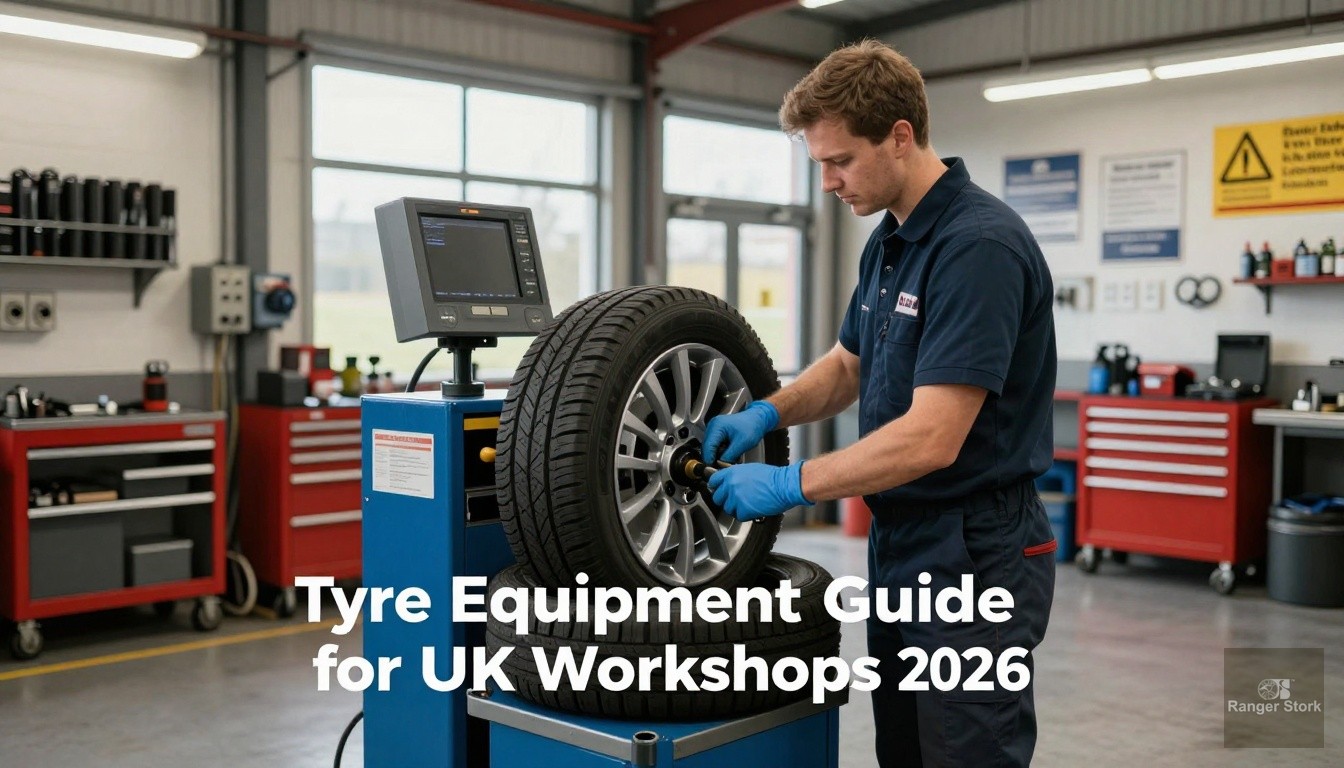
This guide shows you how to choose the right tyre tools for your UK workshop in 2026. You will learn about tyre changers, wheel balancers, and air systems. We also look at costs and how to set prices for your customers.
How the UK Tyre Market is Changing in 2026
The UK car market is changing. Many people now drive electric cars (EVs) and big SUVs. These cars are much heavier than old petrol cars. In the last ten years, the average new car weight went up by 25%.
A small car like a Ford Fiesta weighs about 1,100kg. A new electric car like a VW ID.4 weighs 2,100kg. This extra weight is hard on your floor and your tools. You must use strong machines to stay safe and work fast.
Why Electric Cars (EVs) Matter for Your Shop
Electric cars bring new challenges. A big electric SUV can weigh 2,600kg. You need vehicle lifts that can hold at least 3,500kg or 4,000kg. This gives you a safe gap.
These lifts also need special pads. You must not hit the battery under the car floor. If you hit the battery, it can cost thousands of pounds to fix.
Wheel balancers also need to be stronger. They need heavy shafts and powerful motors to spin heavy wheels. Old machines might break if you use them on heavy EV wheels every day.
Connecting Your Tools
In 2026, your tools should talk to each other. Your lifts and balancers can send data to a main computer. This helps you see how much work your team does. It also keeps a record of every job. This is good for safety and for your business records.
Better Tyre Changers for Modern Wheels
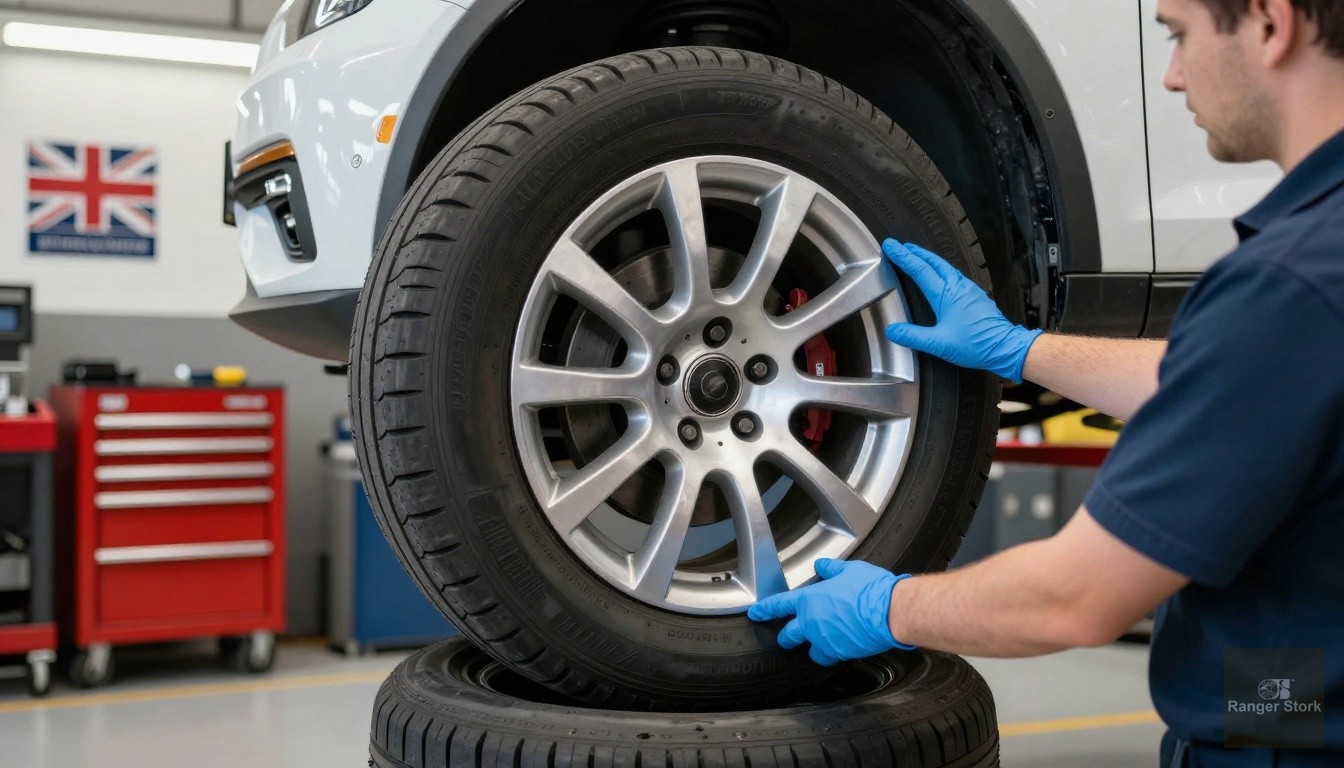
Most cars in the UK now have expensive alloy wheels. Many use “run-flat” tyres. These tyres have very stiff sides. They are hard to take off the wheel. You should use “leverless” machines to do this work.
Why You Need Leverless Machines
Old tyre machines use a metal bar to pry the tyre. This bar can scratch the wheel. It can also break the tyre pressure sensor (TPMS).
Leverless machines use a special tool head. It works like a finger to lift the tyre edge. It does not touch the metal wheel. One new wheel for a Range Rover can cost £1,000. If you break one wheel, you lose all your profit for the month. Leverless tools stop this risk.
Clamping and Support Arms
“Center Post” machines are better than “Tabletop” machines for big wheels. A center post holds the wheel through the middle hole. This means no metal clamps touch the outside of the rim.
You also need “Assist Arms.” These are extra power tools on the side of the machine. They help push down stiff tyres. This keeps your workers safe from back pain and injury.
Saving Money with New Technology
New machines cost more at first. A study of UK garages shows they cost 40% more than basic tools. But they save 5 minutes on every tyre. If you change 60 tyres a week, you save 5 hours of work every month. The machine pays for itself in about 9 months because you can do more jobs.
Precision Wheel Balancing
In 2026, drivers want a very smooth ride. A basic balance is not enough anymore. You should use “Road Force” machines. These machines push a roller against the tyre while it spins. It acts like the weight of the car on the road. It finds hard spots in the rubber that other machines miss.
Balancing for Electric Cars
Electric cars are very quiet. There is no engine noise. This means drivers feel every tiny shake in the steering wheel. Perfect balancing keeps the car quiet and smooth. This makes your customers happy. You can even offer a “No Shake Guarantee” to get more business.
Using Lasers to Work Faster
Modern balancers use lasers. The laser shows the worker exactly where to put the weights. This stops mistakes. The machine also measures the wheel size by itself. This saves time and stops human error.
Many UK drivers now use “All-Season” tyres. These tyres need very careful balancing. A good diagnostic balancer helps you fix problems that other shops cannot solve.
Nitrogen and Smart Air Systems
Using nitrogen to fill tyres is a big trend for 2026. Nitrogen gas stays inside the tyre longer than normal air. This is because nitrogen molecules are bigger than oxygen molecules.
Why Nitrogen is Good for Business
Nitrogen stays in a tyre 3 to 4 times longer than air. For a company with a fleet of vans, this is great. It keeps the tyre pressure right. This can save 3% on fuel costs. It also makes tyres last 15% longer.
You can charge a small fee for a “Premium Nitrogen Fill.” You can also offer “Tyrefill” foam. This makes tyres puncture-proof. This is very popular for building site trucks and waste vans.
Smart Inflation Tools
Old air hoses are slow. A worker has to check the gauge and add air many times. “Smart Inflation” tools are digital. You type in the pressure you want. The machine fills the tyre and stops when it is done.
In a busy shop, this saves 3 minutes per car. If you do 20 cars a day, you save one hour. That is one extra car you can fix every day.
Workshop Setup and Infrastructure
The machines you use need a good home. The way you set up your shop is very important.
Choosing the Right Lifts
Scissor lifts are great for tyre shops. They are faster to use than two-post lifts. You can drive the car on and lift it up quickly. This gives you easy access to all four wheels.
Better Air Compressors
The air compressor is the heart of your shop. In 2026, you should buy a “Screw Compressor.” Old piston compressors are very loud. They also make the air wet. Water in the air lines ruins your tools. Screw compressors are quiet and keep the air dry.
Wheel Alignment Services
If you do not offer wheel alignment, you are losing money. Every time you sell new tyres, you should check the alignment. New “3D” systems can check a car in 90 seconds. You can print a report for the customer. This proves they need the service and helps you sell more work.
Health and Safety Laws
You must follow UK laws like PUWER and LOLER.
* PUWER: This says your tools must be safe and well-kept.
* LOLER: This is for lifting tools. You must have your lifts checked every six months by a professional.
The Garage Equipment Association (GEA) sets these rules in the UK. Always make sure your equipment meets these standards.
Costs and Business Pricing
Setting up a tyre bay costs a lot of money. You need a clear plan for your budget.
Setup Costs for 2026
- Basic Bay: Costs about £15,000 to £20,000. This includes a standard tyre changer and balancer.
- Mid-Range Shop: Costs between £35,000 and £45,000. This includes leverless tools and a nitrogen system.
- Top Performance Center: Can cost over £80,000. This includes the best touchless machines and 3D alignment tools.
Extra Costs to Plan For
Don’t forget these hidden costs:
* Floor Work: You might need to make your concrete floor stronger or flatter for heavy lifts.
* Electric Power: Big compressors often need high-power “3-phase” electricity.
* Training: Your team needs to learn how to use new tools safely.
* Calibration: You must pay to have your machines checked for accuracy every year.
How to Set Your Prices
Do not charge the same price for every car. Use different levels of pricing:
* Standard: Small cars with normal tyres.
* Level 1 Extra: Run-flat tyres (these take more time).
* Level 2 Extra: Big wheels over 20 inches (these are high risk).
* Level 3 Extra: Electric car tyres (these need extra care).
For business customers with many vans, offer a “Value Bundle.” This can include free nitrogen top-ups and digital reports on their tyre health.
Training Your Staff
The best machine is useless if your staff cannot use it. Modern tyre tools are like computers. Your workers need to know how to read the digital screens.
In 2026, you should send your team to training courses. Many equipment brands offer these in the UK. Good training stops accidents. It also makes the work go faster. A trained worker is less likely to damage a customer’s car.
Managing Your Workflow
A busy workshop can be messy. You need a good flow to make money.
* Entry Area: Where you check the car and its tyres.
* Work Area: Where the machines and lifts are.
* Exit Area: Where you do the final safety check.
Keep your tyre changers and balancers close together. This stops workers from walking too much. Every step saved is time saved.
Buying New vs. Leasing
Most UK workshops do not buy machines with cash. They use leasing.
* Buying: You own the tool right away, but it uses a lot of cash.
* Leasing: You pay a monthly fee. This is good for tax and keeps cash in your bank.
In 2026, many leases include repairs. This means if a machine breaks, someone fixes it for free. This is very good for a busy shop that cannot stop working.
Using Digital Reports
Customers in 2026 like to see proof. Use a tablet to take photos of old tyres. Show them the tread depth and any damage. Send this to their phone. When a customer sees the problem, they are more likely to buy new tyres. It builds trust.
Conclusion
To win in 2026, you need the right tools and good training. Electric cars and big SUVs are the future. You must have lifts and changers that can handle them.
Investing in a modern tyre bay is a smart move. It protects your business from making mistakes. It also helps you get high-value customers with luxury cars. Use the tips in this guide to build a strong and profitable workshop in the UK.
Make sure you choose a tool partner who can help you quickly if a machine breaks. Local support is very important. With the right equipment, your workshop will be ready for the years ahead.