
Blog
The 2026 Precision Standard: Essential Tyre Valve Replacement Tools for Professional UK Workshops
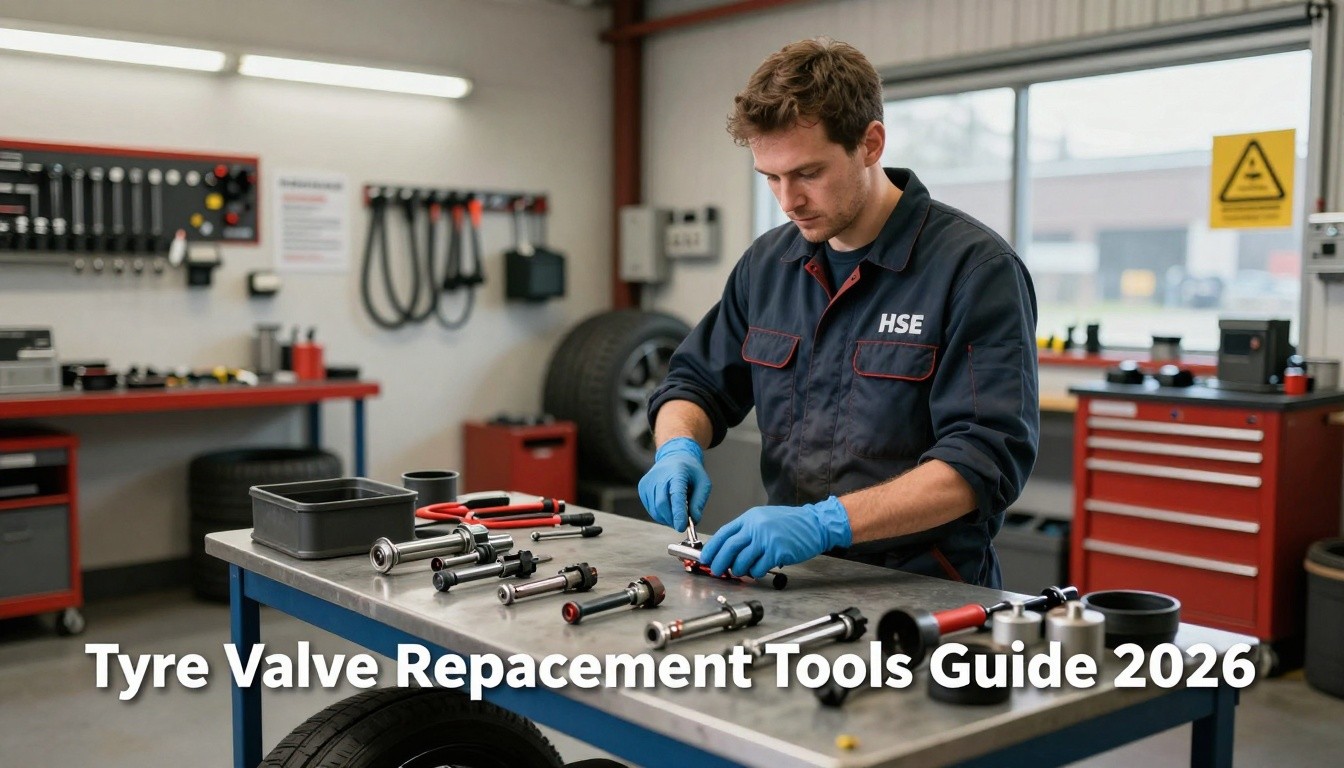
The automotive landscape of the United Kingdom in 2026 is defined by a convergence of high-stakes regulation, sophisticated material science, and an uncompromising demand for operational efficiency. As the British car parc transitions increasingly toward Electric Vehicles (EVs) and heavy-duty SUVs, the humble tyre valve—once a simple rubber-and-brass afterthought—has ascended to the status of a critical safety component.
For the professional workshop, the selection of tyre valve replacement tools is no longer a matter of basic utility; it is a strategic investment in precision, liability management, and brand reputation. This guide explores the essential toolkit required to navigate the complexities of modern tyre service, ensuring that every technician is equipped to meet the rigorous standards of the 2026 UK market.
1. The Precision Mandate: Why Torque-Limiting Tools are Non-Negotiable
In the decades preceding the 2026 automotive revolution, the installation of a tyre valve core was a task often performed by “feel.” Technicians relied on manual dexterity to tighten the core until it felt secure—a subjective measure that varied wildly between individuals. However, the modern workshop environment has rendered this intuitive approach obsolete.
The Engineering Necessity of Torque Control
In 2026, the automotive industry has shifted toward highly sensitive Tyre Pressure Monitoring Systems (TPMS) and diverse alloy compositions. These components are exceptionally susceptible to damage from over-torquing. A torque-limiting valve core tool ensures that the core is seated at the exact Newton-metre (Nm) specification required by the manufacturer—typically a precise window between 0.25Nm and 0.50Nm.
When a core is over-tightened, the microscopic rubber seal at its base deforms. This deformation creates “micro-pathways” for air to escape, leading to the “slow leak” phenomenon. Conversely, under-tightening can lead to the core loosening under the high-frequency vibrations of motorway driving on the M1 or M6. For a professional UK workshop, using these tools is a hallmark of quality control, reducing “come-backs” and ensuring that the vehicle maintains its pressure integrity under the varied thermal conditions of the British climate.
Industry-Leading Solutions
In 2026, tools from manufacturers like Schrader and PCL have become the gold standard. These tools now feature pre-set, non-adjustable torque clutches that provide an audible “click” once the 0.4Nm threshold is reached. This removes human error from the equation entirely. Whether a technician is working on a high-performance luxury grand tourer or a high-mileage delivery van, the seal is guaranteed to be perfect every single time.
The Expert Perspective
“The days of the ‘one-size-fits-all’ approach to tyre valves are long gone,” states a lead technical trainer at a major UK automotive academy. “In 2026, a technician without a calibrated torque tool and a multi-protocol diagnostic tablet is essentially working blind. The precision required for modern EVs, with their high torque and heavy curb weights, means that the tyre valve is a critical safety component. Professional workshops must invest in tools that reflect the sophistication of the vehicles they are servicing.”
2. Digital Connectivity and Diagnostics: The 2026 TPMS Tablet
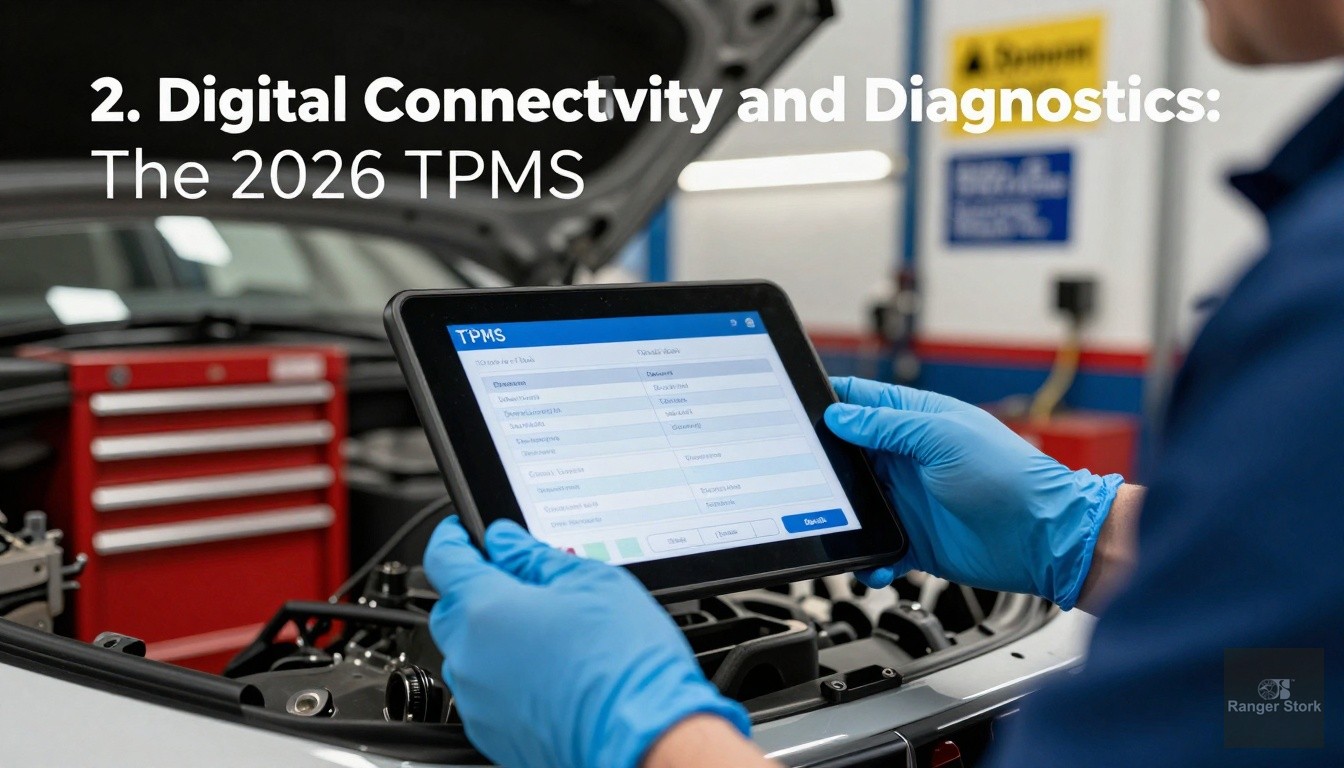
The second pillar of the modern workshop is the diagnostic tablet. The era of simple handheld “trigger” tools—which merely “woke up” a sensor—ended years ago. In 2026, the TPMS diagnostic tool is the central nervous system of the tyre service operation, acting as a bridge between the physical valve and the vehicle’s Engine Control Unit (ECU).
Evolution of Functionality
Modern 2026 models are no longer just “readers”; they are comprehensive service tablets. Their primary evolution lies in connectivity and “All-In-One” functionality. Key features include:
* Seamless Database Integration: Instant identification of the correct replacement parts via UK-specific vehicle databases.
* VIN-Scan Technology: Using integrated cameras to scan the Vehicle Identification Number, ensuring 100% accuracy in sensor protocol selection.
* 5G and Wi-Fi Updates: Real-time software updates ensure the tool is compatible with vehicles released just days prior.
* Automated Relearn Procedures: Guided, step-by-step instructions that significantly reduce the time a technician spends on a single vehicle.
Efficiency Fact: Time-Saving via Digital Integration
Studies conducted in high-volume UK tyre centres show that using an integrated TPMS and valve service tool can reduce the time taken for a full sensor replacement and “relearn” by up to 15 minutes per vehicle. In a workshop processing 20 cars a day, this equates to 5 hours of saved labour per day. At average UK labour rates, the investment in a top-tier diagnostic tool (approx. £800-£1,200) can be fully recouped in less than a month through increased throughput and the near-total elimination of programming errors.
The Universal Sensor Challenge
With hundreds of different Original Equipment Manufacturer (OEM) sensor protocols in existence, a workshop cannot afford to stock every variant. Modern tools like the Bartec Tech600 or Autel MaxiTPMS ITS600 allow a technician to take a “blank” universal sensor and program it to mimic the exact protocol of the vehicle on the ramp, whether it’s a Tesla Model 3 or a Ford Transit.
3. Aesthetic Integrity: Protecting Diamond-Cut Alloys with Composite Tools
The UK automotive market has undergone a significant aesthetic shift. Large-diameter, diamond-cut, and painted alloy wheels are no longer reserved for high-end sports cars; they are now standard on many mid-range hatchbacks and crossovers. This shift has necessitated a total reimagining of the physical tools used to install snap-in valves.
The Risk of Traditional Metal Tools
Traditional metal valve pullers, while durable, pose a significant risk of scratching or chipping the finish around the valve hole. In 2026, the cost of refurbishing a single diamond-cut wheel can exceed the cost of the professional tool itself (£150+ for a quality refurb vs. £30 for a tool).
Composite or plastic-sleeved pullers provide the necessary leverage to seat a snap-in valve while acting as a buffer against the wheel’s surface. Professional workshops prioritize these “mar-free” tools to maintain the aesthetic integrity of the customer’s vehicle and avoid costly damage claims.
Material Science Fact: Corrosion Resistance in the UK Climate
UK roads are treated with approximately 2 million tonnes of salt every winter. This creates an incredibly corrosive environment for tyre valves, particularly the galvanic corrosion seen between aluminium valve stems and brass cores. The best tools for 2026 are those made from high-grade stainless steel or those featuring advanced nickel-plating. Professional-grade valve tools are tested to withstand hundreds of hours of salt spray exposure, ensuring that they do not seize or fail when a technician is attempting to service a vehicle after a harsh British winter.
By using composite valve pullers, workshops are not just protecting the look of the car; they are preventing long-term structural degradation. Any scratch in the lacquer around the valve hole becomes a gateway for salt-laden water to penetrate the aluminium, leading to “white-spider” corrosion that can eventually compromise the airtight seal of the tyre bead.
4. The Regulatory Landscape: MOT Statistics and the 2026 Manual
The British workshop does not operate in a vacuum; it is governed by the strict standards of the Driver and Vehicle Standards Agency (DVSA). In 2026, the relationship between tyre valve maintenance and MOT success has become more intertwined than ever before.
Data Insight: TPMS Failure Rates
Recent data from UK testing centres indicates that nearly 5% of all MOT failures in the “Tyres” category are now attributed to TPMS malfunctions rather than tread depth. This represents a significant shift in workshop requirements. Professional tools that can accurately diagnose whether a failure is due to a depleted battery, a broken valve stem, or a sensor malfunction are critical. By 2026, it is estimated that over 80% of the UK car parc is equipped with TPMS, making specialized valve and sensor tools the most frequently used items in a tyre technician’s arsenal.
Regulatory Fact: The 2026 MOT Inspection Manual Update
The DVSA has clarified that any TPMS warning light present on a vehicle first used after January 1, 2012, results in an immediate MOT failure. Furthermore, the 2026 guidelines emphasize that “visibly damaged or inappropriately repaired” valve stems are grounds for failure.
This regulatory pressure ensures a steady stream of work for workshops but necessitates that the tools used for replacement meet OEM standards. If a workshop uses substandard tools that damage the sensor during installation, they are not only failing the customer but also failing to clear the vehicle’s legal “failure” status, leading to potential disputes and loss of trust.
5. Scaling Up: Large Bore Tools for the Commercial Sector

While much of the focus in tyre service is on passenger vehicles, the UK’s logistics and infrastructure sectors represent a massive and growing market. The tools required for heavy-duty vehicles—trucks, earthmovers, and agricultural machinery—are a distinct category of their own.
The Importance of “Large Bore” Systems
As the UK’s logistics and infrastructure sectors expand, the demand for heavy-duty tyre service has grown. Commercial vehicles use “Large Bore” valves to allow for the rapid inflation and deflation of high-volume tyres. The tools required for these—such as heavy-duty core removers and specialized inflator gauges—are built to withstand much higher pressures and harsher environments than passenger car tools.
Time-Efficiency in Logistics
In the commercial sector, time is money. A grounded heavy-goods vehicle (HGV) can cost a logistics company hundreds of pounds per hour. Therefore, tools like the “Super Large Bore” core removers are essential. These tools allow for the core to be removed and held within the tool body while air is pumped in at high volume. In 2026, these tools often feature digital readouts for extreme accuracy, ensuring that fleet vehicles operate at optimal pressures to maximize fuel efficiency and minimize tyre wear—a critical cost-saving measure for UK transport companies.
6. The Independent Workshop: Right to Repair and Competitive Edge
One of the most significant shifts in the UK automotive industry is the “Right to Repair” movement. This movement has empowered independent workshops to take on work that was previously the sole domain of main dealers, provided they have the right equipment.
Bridging the Technology Gap
The “Right to Repair” movement necessitates that independent workshops possess tools capable of communicating with a wide array of proprietary systems. In terms of tyre valves, this means having tools that can program “universal” sensors to mimic “OEM” sensors flawlessly.
For an independent workshop in the UK, investing in high-end, multi-protocol tools allows them to compete directly with main dealers. It ensures they can service the latest 2026 models without turning customers away, thereby securing their place in a competitive market by providing a one-stop-shop solution for tyre and sensor maintenance. The ability to service a 2026 model-year vehicle on the day it leaves the showroom is a powerful competitive advantage.
7. The Human Element: Ergonomics and Technician Retention
Finally, we must consider the person holding the tool. The UK is currently facing a severe shortage of skilled automotive technicians. In this environment, the physical well-being of the staff is a business imperative.
Tool Ergonomics as a Retention Strategy
Workshop owners have realized that providing high-quality, ergonomic tools is an essential part of staff retention and health and safety compliance. Tyre service is physically demanding and repetitive. Tools designed with soft-grip, anti-slip handles and balanced weight distribution reduce the risk of Carpal Tunnel Syndrome and other repetitive strain injuries (RSIs).
In 2026, the best tyre valve tools are designed with the “human-machine interface” in mind. Features to look for include:
* Oversized Handles: Optimized for use with heavy-duty work gloves.
* High-Contrast Digital Displays: Ensuring readability in low-light workshop bays.
* Lightweight Composite Materials: Reducing arm and wrist fatigue during high-volume shifts.
By investing in premium tools that are comfortable to use over an eight-hour shift, workshops demonstrate a commitment to their employees’ well-being, which in turn leads to higher morale and lower staff turnover.
8. Sustainability and the Circular Economy in 2026
As the UK moves toward Net Zero targets, the role of tyre maintenance in sustainability has come to the forefront. Properly maintained valves prevent under-inflation, which is one of the leading causes of premature tyre wear and increased rolling resistance.
Reducing Environmental Impact
When a workshop uses precision valve tools, they are directly contributing to a reduction in rubber waste. In 2026, tyre disposal fees in the UK have risen, and the environmental cost of manufacturing new tyres is under scrutiny. By ensuring a perfect valve seal, workshops extend the life of the tyre, improve the vehicle’s fuel/energy efficiency, and reduce the carbon footprint of the UK car parc.
Furthermore, the tools themselves are becoming more sustainable. Many leading brands now offer “repairable” tools—where individual components like the torque clutch or the digital screen can be replaced—rather than requiring the entire tool to be scrapped. This aligns with the broader UK trend toward a circular economy.
9. Comprehensive Tool Checklist for the 2026 UK Workshop
To ensure your workshop is fully equipped for the current year, use the following checklist to audit your tyre service bay:
| Tool Category | Essential Feature | Recommended Standard |
|---|---|---|
| Valve Core Tool | Torque-Limiting (Pre-set) | 0.4Nm / Audible Click |
| TPMS Diagnostic Tool | VIN-Scan & 5G Connectivity | Multi-Protocol / Tablet Format |
| Valve Puller | Composite / Plastic-Sleeved | Mar-free / Scratch-resistant |
| HGV Tools | Large Bore Compatibility | High-Pressure Rated / Digital |
| Cleaning Tools | Stainless Steel Wire Brushes | Corrosion-resistant / Specific Diameter |
| Software | Cloud-based Updates | Weekly Update Frequency |
10. Conclusion: Future-Proofing through Professionalism
The selection of tyre valve replacement tools in 2026 is a reflection of a workshop’s overall philosophy. To choose precision torque tools is to choose quality; to choose advanced diagnostic tablets is to choose efficiency; and to choose ergonomic, mar-free pullers is to choose respect for both the technician and the customer’s vehicle.
As the UK automotive industry continues to evolve, the workshops that thrive will be those that recognize the tyre valve not as a simple commodity, but as a gateway to excellence in modern vehicle service. By arming technicians with the best tools available, workshop owners ensure they are ready for whatever the roads of Britain—and the regulations of the DVSA—throw at them next.
Actionable Takeaway: Audit your current tyre service bay today. If your technicians are still tightening valve cores by “feel” or using metal pullers on diamond-cut alloys, your workshop is exposed to unnecessary liability and inefficiency. Transitioning to a 2025-compliant toolkit is the most immediate way to improve your MOT pass rates, protect your customers’ investments, and boost your workshop’s bottom line.