
Blog
The Definitive 2026 Guide to Wheel Balance Weights: UK Workshop Standards, Material Science, and the EV Revolution
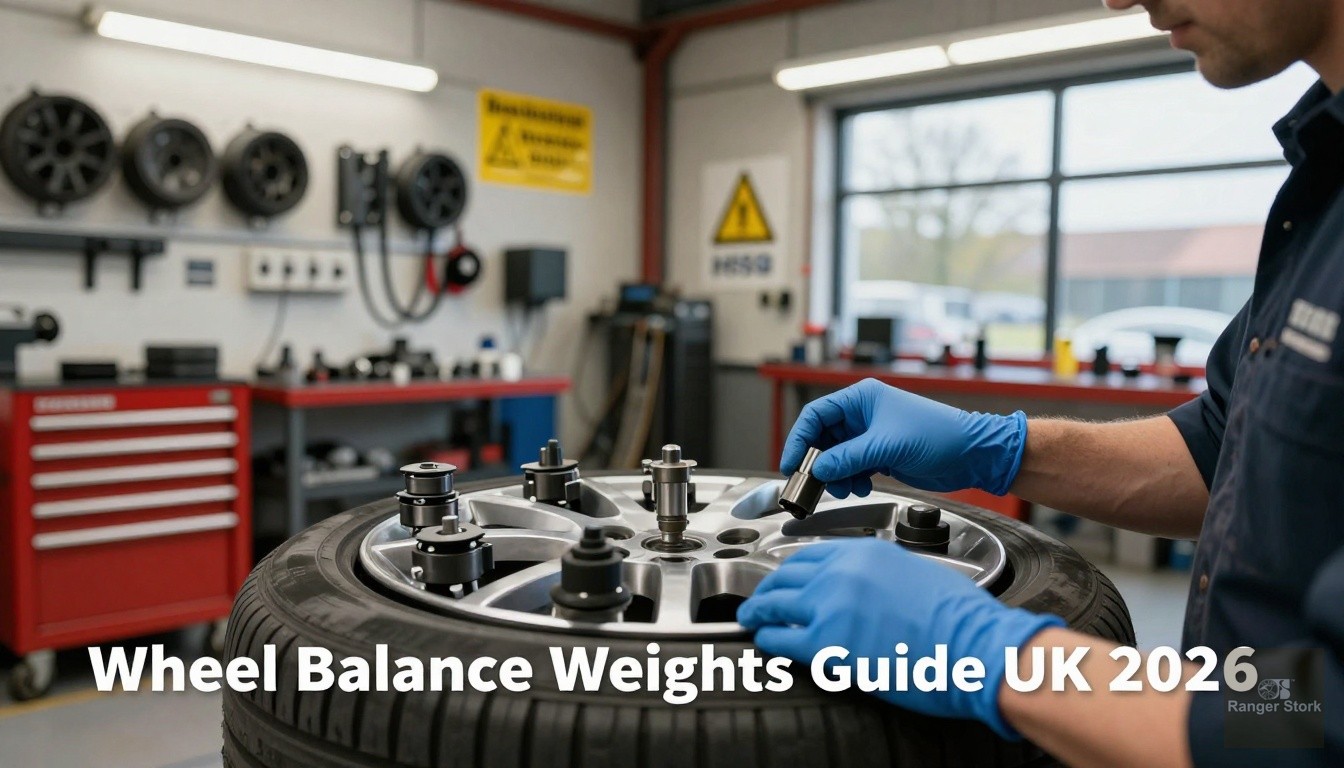
The automotive landscape in the United Kingdom is undergoing a profound transformation. As we move through 2026, the intersection of environmental mandates, the rise of heavy-duty electric drivetrains, and heightened consumer expectations for “Green Workshop” standards has redefined the humble wheel balance weight. No longer a mere afterthought in the tyre bay, the selection and application of balancing weights have become a cornerstone of vehicle safety, performance, and workshop profitability.
This comprehensive guide serves as the definitive manual for UK technicians and workshop owners navigating the complexities of modern wheel balancing. From the chemical composition of the weights to the sophisticated protocols required for the latest alloy designs, we bring order to the technical chaos of the modern tyre service environment.
1. The Regulatory Landscape: Why Lead is a Relic of the Past
To understand the current state of wheel balancing in 2026, one must first look at the seismic shift in material science dictated by environmental necessity. For decades, lead was the industry standard due to its high density and malleability. However, the legacy of lead in the automotive sector is one of environmental degradation.
The Environmental Mandate
The UK’s ban on lead wheel weights is primarily driven by environmental and public health concerns. Lead is a potent neurotoxin that does not biodegrade. In the past, millions of lead weights fell off vehicles annually, grinding into dust on UK roads and leaching into the water table.
Under the UK REACH (Registration, Evaluation, Authorisation and Restriction of Chemicals) and ELV (End-of-Life Vehicles) regulations, lead is prohibited in most automotive applications. According to the UK Health and Safety Executive (HSE), this restriction is strictly enforced to prevent heavy metal contamination of the UK’s road runoff and drainage systems.
Why has the UK strictly enforced the ban on lead wheel weights, and what are the primary alternatives in 2026?
The enforcement is a direct response to the “End-of-Life Vehicles Regulations.” Lead weights have been prohibited for use in most passenger vehicles in the UK since the mid-2000s. In 2026, the primary alternatives are steel and zinc. For UK workshops, staying compliant isn’t just about the law; it’s about avoiding significant fines and upholding a commitment to the “Green Workshop” standards that modern consumers expect. This transition marks a fundamental shift in how workshops manage their inventory and communicate value to their environmentally conscious clientele.
The Impact of UK REACH on Supply Chains
In the post-Brexit regulatory environment, UK REACH ensures that all chemical substances—including the coatings used on steel and zinc weights—meet stringent safety standards. For workshop owners, this means sourcing from reputable B2B suppliers who provide full documentation of compliance. Using non-compliant, “grey market” weights not only risks the environment but also exposes the business to liability in the event of a safety audit.
2. Material Science: Steel vs. Zinc in the 2026 Landscape
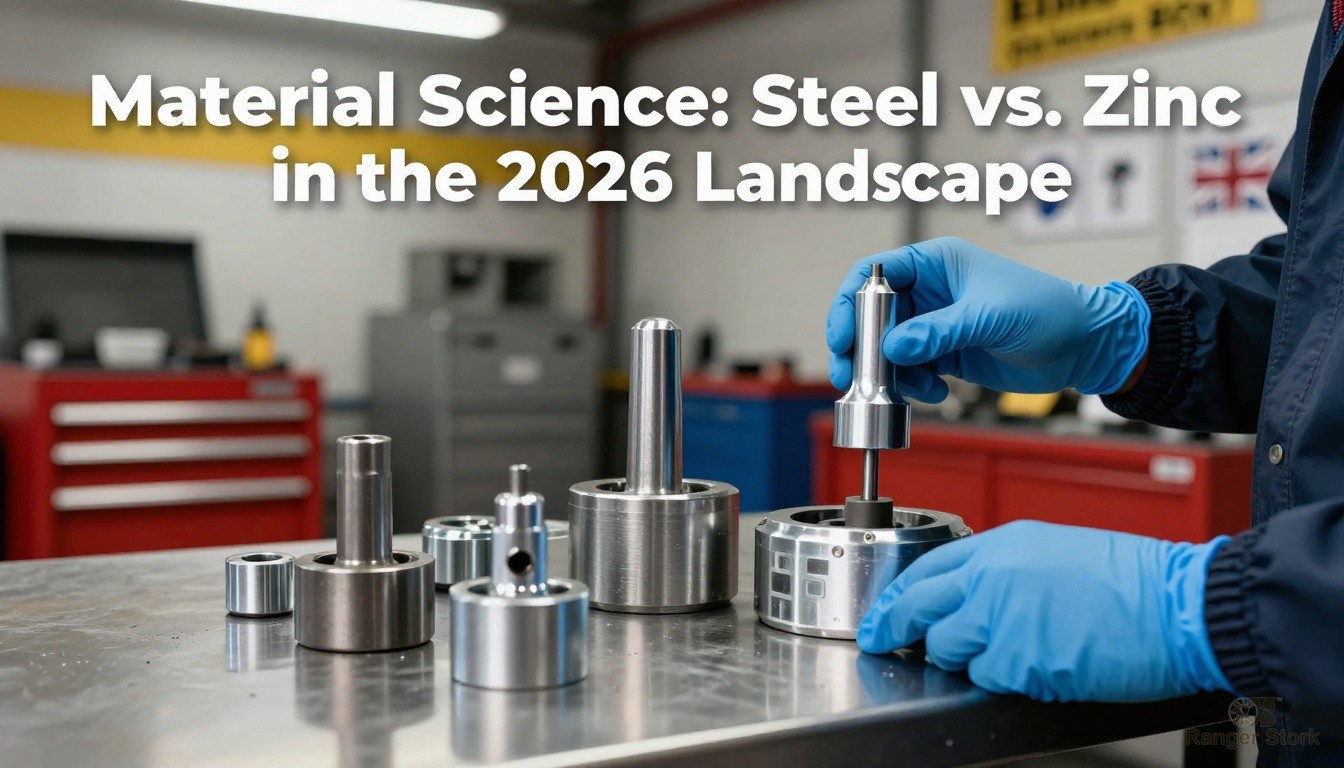
The departure from lead necessitated a deep dive into the properties of alternative metals. In the current UK market, the choice between steel and zinc weights is dictated by both technical requirements and cost-efficiency.
Density and Physical Volume
Material density statistics reveal a significant physical difference that impacts workshop operations:
* Zinc: Density of approximately 7.14 g/cm³
* Steel: Density of approximately 7.85 g/cm³
* Lead (Banned): Density of 11.34 g/cm³
While steel is technically denser than zinc, zinc weights are often manufactured in shapes that allow for a lower profile. The most critical takeaway for technicians is that a 60g weight in 2026 is nearly 50% larger in physical volume than the lead weights used decades ago. This necessitates smarter placement strategies on modern rims to avoid interference with brake calipers, especially on high-performance vehicles equipped with oversized carbon-ceramic braking systems.
The Challenge of the UK Climate: Corrosion Resistance
The UK climate poses a unique challenge to material longevity. High-quality wheel weights for the UK market are typically tested using Salt Spray Testing (ISO 9227).
Premium steel weights are expected to withstand over 200 hours of salt spray without showing signs of red rust. This is critical for UK workshops, as the heavy use of rock salt (sodium chloride) on British motorways in winter can destroy unprotected steel weights within a single season. This leads to wheel staining and weight loss, which eventually causes customer dissatisfaction and safety issues.
Zinc, while slightly more expensive, offers inherent corrosion resistance and a more premium finish that matches the aesthetic of high-end alloy wheels. When a workshop selects a zinc weight, they are investing in a product that maintains its integrity against the harsh, damp UK environment, ensuring that the balance remains true and the wheel remains pristine.
3. Clip-On vs. Adhesive: Choosing the Right Application
The debate between clip-on and adhesive weights is no longer just about preference; it is about the technical compatibility with modern wheel designs. While clip-on weights remain the standard for steel rims and some older alloy designs, the shift towards large-diameter, intricate alloy wheels has made adhesive (stick-on) weights the dominant choice in 2026.
The Risks of Incorrect Clip-On Usage
What are the specific risks associated with using incorrect “Clip-On” weights on modern UK alloy wheels?
Using a standard clip-on weight designed for a steel rim on an alloy wheel is a recipe for disaster.
1. Mechanical Failure: The “clipping” mechanism is often shaped differently for steel vs. alloy flanges; an incorrect fit will lead to the weight flying off at high speeds, creating a projectile hazard and instant imbalance.
2. Galvanic Corrosion: This is the most significant risk for the UK market. If a steel weight with a damaged coating is clipped onto an aluminium alloy wheel, the two dissimilar metals in the presence of UK road salt and moisture will create a battery-like reaction. This corrodes the alloy wheel, causing bubbling of the paint and eventually leading to air leaks at the bead.
The Dominance of Adhesive Weights for Alloys
In 2026, professional UK workshops must use specifically coated weights or stick to adhesive options for alloys to prevent expensive damage claims. Adhesive weights, typically supplied in 5g and 10g increments, allow for precise placement on the inner barrel of the wheel. This preserves the visual appeal of the outer face—especially vital for diamond-cut or powder-coated finishes—while providing the necessary weight distribution.
4. The Precision of Balancing: Static, Dynamic, and the EV Revolution
As vehicle technology advances, the margin for error in wheel balancing has narrowed to near zero. This is particularly true in the era of Electric Vehicles (EVs).
Defining the Balance
What is the technical difference between “Static” and “Dynamic” balancing, and how does this dictate weight placement?
* Static Balancing: Addresses the “up and down” hop of a wheel. This occurs when there is a single heavy spot in the tyre. While it can often be fixed with a single weight, it is insufficient for modern driving speeds and suspension sensitivities.
* Dynamic Balancing: Addresses “wobble” or side-to-side movement caused by weight distribution being uneven across the width of the rim.
In 2026, UK professional standards almost exclusively demand dynamic balancing. This usually requires placing weights on both the inner and outer planes of the wheel. For alloy wheels, this often means using adhesive weights on the inner barrel to maintain the wheel’s aesthetic. High-end balancers now provide “hidden weight” programs that calculate exactly where to place adhesive strips behind the spokes so they provide the necessary dynamic balance without being visible from the side profile of the vehicle.
The EV Impact: A New Standard of Accuracy
How does the increasing weight of Electric Vehicles (EVs) impact the choice and application of wheel weights in UK workshops?
EVs are significantly heavier than their internal combustion counterparts due to large battery packs, and they produce instant torque. This puts immense stress on the tyre-to-rim interface and the wheel weights themselves.
- Shear Strength: In 2026, UK workshops are finding that standard adhesive weights may fail if the adhesive backing isn’t of high “shear strength.” The centrifugal forces generated by an EV’s rapid acceleration can literally fling a poorly adhered weight off the rim.
- NVH (Noise, Vibration, and Harshness): EVs are incredibly quiet; therefore, even a minor imbalance that would be masked by engine noise in a diesel car becomes a primary source of discomfort in an EV. Technicians must be more precise than ever, often aiming for a “zero-zero” balance on the machine.
- Frequency of Service: Data from UK tyre retailers suggests that EVs experience tyre wear up to 30% faster than internal combustion engine (ICE) vehicles. This rapid wear leads to dynamic imbalance more quickly, requiring more frequent balancing intervals. Consequently, the demand for high-durability adhesive weights has seen a 25% increase in the B2B sector since 2022.
5. Surface Preparation and Professional Protocol
The most common point of failure in wheel balancing is not the machine or the weight itself, but the preparation of the surface to which the weight is applied.
Why is surface preparation considered the most critical step in applying adhesive weights, and what is the recommended UK workshop protocol?
Even the highest quality adhesive will fail if applied to a layer of brake dust, road salt, or silicone-based tyre shine. In the UK climate, wheels are often coated in a “film” of traffic grime that is difficult to see but highly effective at preventing a bond.
The 2026 “Clean-Dry-Warm” Protocol
Professional UK workshops should follow this three-step process to ensure maximum adhesion:
1. Mechanical Cleaning: Use a plastic scraper to remove old adhesive residue without scratching the rim’s protective coating. Avoid metal scrapers on alloy wheels at all costs.
2. Chemical Cleaning: Use a specialized fast-evaporating solvent (like Isopropyl Alcohol or a dedicated brake cleaner) that leaves no residue. Ensure the solvent is safe for the wheel’s finish.
3. Temperature Management: If the ambient workshop temperature is below 15°C—common in UK winters—the wheel surface should be slightly warmed using a heat gun. This activates the adhesive’s pressure-sensitive properties.
Industry studies indicate that over 65% of “thrown” wheel weights are the result of poor surface preparation. In the damp UK climate, microscopic moisture on the rim during application can reduce adhesive bond strength by up to 80%. Technicians who skip these steps risk not only the safety of the vehicle but also the reputation of the workshop.
6. Advanced Techniques: Weight Sizing and Match Mounting
In 2026, the “brute force” method of adding massive amounts of weight is being replaced by more sophisticated techniques like match mounting.
The Logic of Match Mounting
How do weight sizes from 5g to 60g affect the “Match Mounting” process?
If a wheel requires a large amount of weight—for example, 60g or more—it is often a sign that the “heavy spot” of the tyre and the “heavy spot” of the rim are aligned. Rather than simply piling on weights, which is unsightly and can be less stable, UK professional standards suggest “Match Mounting.”
This involves:
* Deflating the tyre.
* Rotating it on the rim (often by 180 degrees) to align the tyre’s light spot with the rim’s heavy spot.
* Re-inflating and re-balancing.
This process can reduce the required weight from 60g down to 15g or 20g. Using smaller weights—such as 5g or 10g strips—allows for more granularity. On high-performance vehicles, even a 5g discrepancy can be felt through the steering wheel at motorway speeds. By utilizing match mounting, technicians minimize the physical mass attached to the wheel, maintaining the low unsprung mass required for optimal suspension performance and ride quality.
7. The Business of Balancing: B2B Pricing and Profitability
From a management perspective, the procurement and pricing of balancing weights are critical for maintaining healthy margins.
What are the current B2B pricing trends for wheel weights in the UK, and how should workshops manage their margins?
In 2026, the price of raw materials—particularly steel and zinc—remains volatile. However, the cost of the weight itself is only a fraction of the service value. B2B pricing in the UK has shifted toward “value-based” rather than “commodity-based” models.
Strategic Pricing for Workshops
- Consumables Charge: Workshops are moving away from charging a flat “per weight” fee and instead incorporating a “consumables charge” into a premium balancing service. This covers the solvent, scrapers, and the weights themselves.
- Bulk Procurement: Smart UK workshops are bulk-buying 5g/10g strips in large quantities (e.g., 1,000-piece boxes) to reduce the unit cost and ensure they never run out during peak seasonal tyre change periods.
- Marketing Quality: Workshops should market their use of “OEM-grade, lead-free, corrosion-resistant” hardware. This justifies a higher labour rate for the balancing service by positioning it as a precision technical service rather than a basic commodity.
The increased frequency of balancing required by EVs presents a significant opportunity for recurring revenue, provided the workshop can demonstrate a superior level of precision and durability in their work.
8. Troubleshooting Common Balancing Issues
In a busy UK workshop, time is money. Understanding why a balance might fail the first time is essential for efficiency.
- Residual Dirt Inside the Tyre: Even a small amount of mounting lubricant or water trapped inside the tyre can move during rotation, causing an inconsistent balance reading.
- Worn Balancer Shafts: In 2026, high-volume workshops must calibrate their balancing machines weekly. A worn shaft or mounting cone can introduce a “ghost” imbalance that no amount of weights can fix.
- Tyre Flat-Spotting: Vehicles that have been stationary for long periods—common in the UK used car market—may have temporary flat spots. These should be driven until warm before attempting a final balance.
9. Conclusion: The Horizon of Professional Standards
As we look toward the future of the UK automotive service industry, the role of wheel balance weights remains central to the evolution of vehicle maintenance. The transition from lead to steel and zinc was merely the beginning. Today, the focus is on the synergy between material science, adhesive technology, and technician expertise.
By adhering to the strict environmental regulations of REACH and ELV, mastering the nuances of dynamic balancing for heavy EVs, and implementing rigorous surface preparation protocols, UK workshops can ensure they remain at the forefront of the industry.
Success in 2026 is defined by the ability to blend technical precision with environmental responsibility. Whether it is through the careful selection of corrosion-resistant zinc strips or the sophisticated application of match mounting to reduce consumable waste, the professional workshop of today is a centre of innovation. Every vehicle that leaves the bay must be balanced not just for the machine, but for the demanding realities of the modern road.
Actionable Takeaways for UK Workshops:
- Audit Inventory: Ensure all weights are lead-free and compliant with UK REACH/ELV standards.
- Invest in Training: Ensure technicians understand the “Clean-Dry-Warm” protocol for adhesive weights to prevent “comebacks.”
- Update Equipment: Utilize balancers with “Hidden Weight” and “Optimum” match-mounting modes to cater to the high-end alloy and EV market.
- Review Pricing: Shift to a value-based service model that accounts for the precision required by modern EVs and high-end alloys.
- Environmental Branding: Promote your workshop as an eco-conscious “Lead-Free” facility to align with 2026 consumer values.