
Blog
The Professional Tyre Lever Set Guide for UK Workshops 2026: Balancing Manual Precision with Machine Power
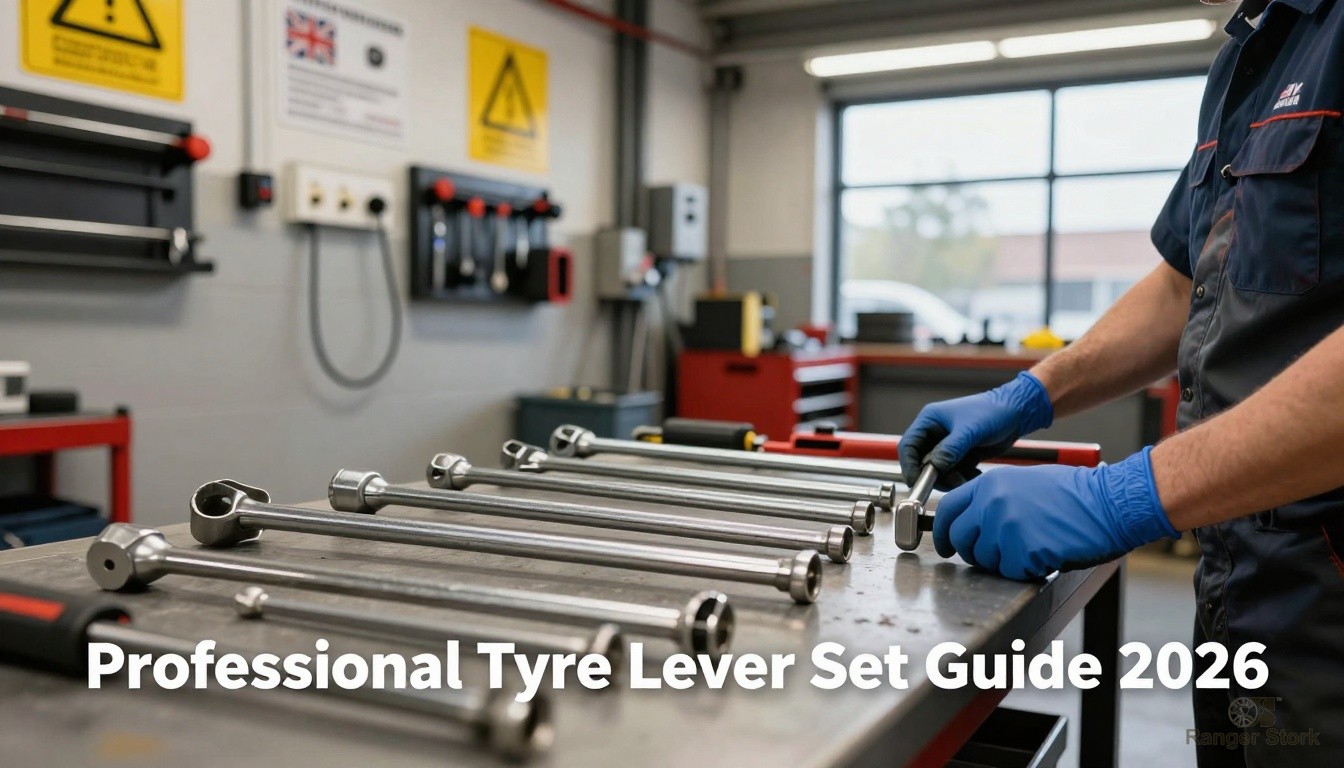
In the contemporary landscape of the United Kingdom’s automotive workshops, the dawn of 2026 has not rendered the manual tyre lever an artifact of the past. On the contrary, as workshops become increasingly populated with sophisticated semi-automatic and fully robotic tyre changers, the manual lever has ascended to the status of a critical “fail-safe” and a precision instrument of last resort. The evolution of vehicle design, particularly the shift toward larger wheel diameters, heavier kerb weights of Electric Vehicles (EVs), and ultra-low-profile tyres, has fundamentally altered the requirements of the technician’s toolkit.
Today, the UK automotive market is dominated by the burgeoning EV and SUV sectors. According to recent market analysis, over 65% of new vehicle registrations in the UK now feature wheels of 18 inches or larger as standard. This shift necessitates a level of leverage and finesse that only a high-quality, hand-forged lever can provide when the mechanical limits of a mounting machine are reached. This guide explores the essential role of the professional tyre lever set in 2026, providing B2B procurement advice, safety insights, and technical breakdowns for the modern workshop manager.
The Evolution of Tyre Service Tools: Why the Manual Lever Remains Vital in 2026
The primary argument for the manual lever’s continued relevance is the concept of “tactile feedback.” While a pneumatic ram or a robotic mounting head exerts a consistent, blind force, an experienced technician uses a manual lever to “feel” the tension within the tyre bead. This sensory connection is paramount when handling modern low-profile tyres where the margin for error is razor-thin. A machine may inadvertently apply excessive pressure, leading to a microscopic tear in the inner liner—a defect that might not manifest until the tyre is under high-speed thermal stress. In contrast, the manual lever allows for nuanced, incremental adjustments.
As we look at the 2026 workshop, we see a hybrid approach. The manual lever is the scalpel to the machine’s sledgehammer. It is the tool used for the final seating of a stubborn bead or the delicate removal of a tyre from a fragile, magnesium-alloy rim. This synergy between high-tech machinery and traditional manual precision defines the modern standard of UK tyre service.
Expert Insight: The Insurance of Versatility
Why should a modern UK workshop invest in a manual tyre lever set when they already own an expensive automatic tyre changer?
In the professional landscape of 2026, a manual tyre lever set is not a replacement for a machine but a critical precision instrument for edge-case scenarios. Automatic changers, while efficient, operate on fixed arcs and pressures that can occasionally struggle with non-standard rim shapes or exceptionally stiff “run-flat” (RSC) sidewalls. A high-quality manual lever allows the technician to apply nuanced, directional force that a pneumatic ram cannot replicate. Furthermore, machines are subject to mechanical downtime; a workshop without a professional lever set is one hydraulic seal failure away from a total halt in service. Having a range of levers—from 12-inch spoons to 24-inch heavy-duty bars—ensures that the workshop can handle vintage cars, motorcycles, and specialized trailers that may not seat properly on a standard machine turntable. It is, essentially, an insurance policy for versatility and uptime.
Manual Levers vs. Machine Mounting Tools: Striking the Balance
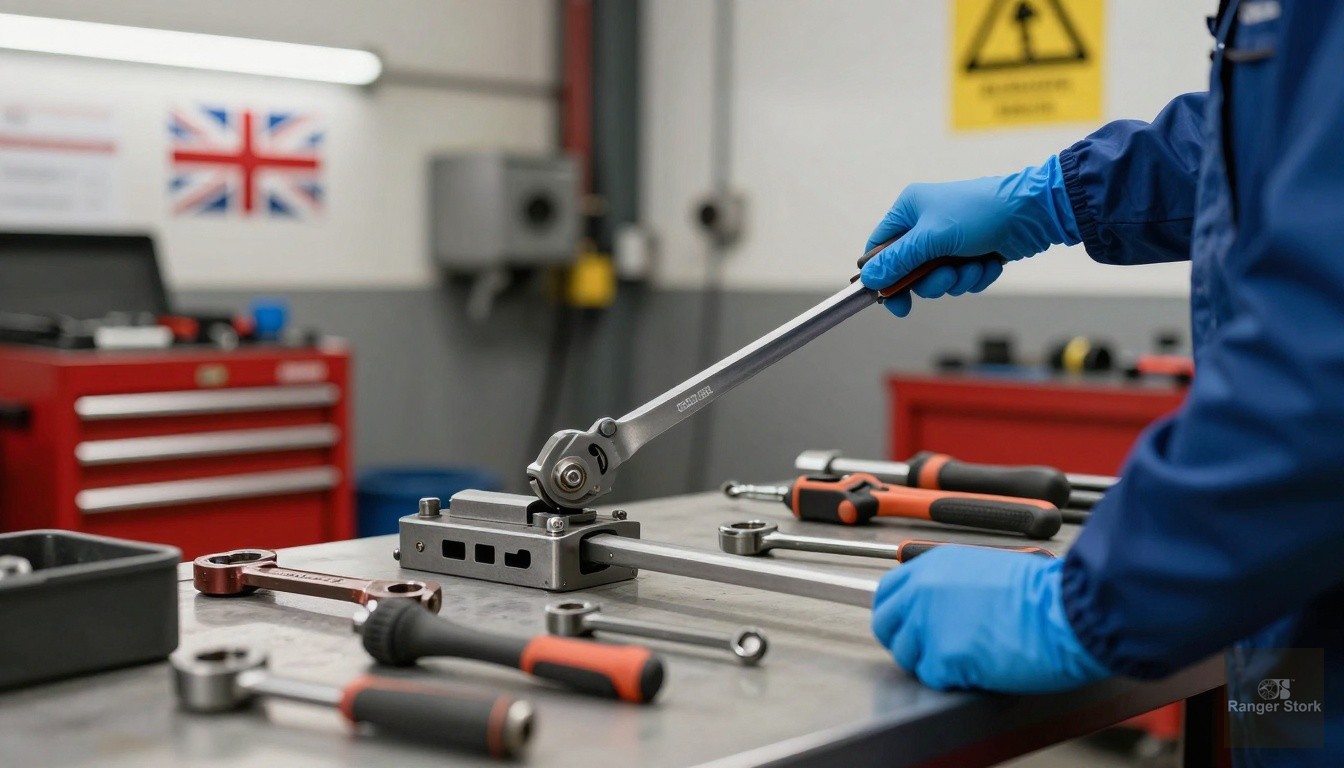
The debate between manual intervention and machine-driven automation is not a matter of one replacing the other, but rather of understanding the mechanical advantages inherent in each. Machine mounting tools, particularly the “leverless” systems that have gained traction in high-end UK service centers, aim to eliminate contact between the tool and the rim. However, the mechanical advantage of a hand-forged chrome vanadium lever remains unparalleled in scenarios requiring localized, high-torque application. A technician wielding a 600mm lever can exert controlled force at a specific point on the bead, whereas a machine’s mounting head distributes force across a wider, fixed area which may not be ideal for every rim geometry.
Technical Profiles and Mechanical Application
Technical profiles of levers—curved, straight, and “spoon” ends—are engineered to interact with the tyre bead in ways a machine’s fixed head cannot:
- The Spoon End: Designed with a thin, rounded profile to glide between the rim flange and the bead with minimal displacement. This is the gold standard for the initial lift, reducing the risk of pinching the inner liner or damaging the bead bundle.
- The Curved Lever: Provides the necessary pivot point to roll the bead over the rim edge without stressing the carcass. The specific radius of the curve is calculated to maximize leverage while minimizing the “throw” required by the technician.
- The Straight Bar: Often utilized in heavy-duty commercial applications where maximum reach and direct, linear leverage are required to break the seat of large-diameter tyres.
Furthermore, the “Tabletop vs. Leverless” machine debate often overlooks the necessity of manual levers as a secondary support. Even on the most advanced systems, a manual lever is often used to hold the bead in the “drop center” of the rim while the machine rotates. Without this manual assistance, the risk of stretching the bead beyond its elastic limit increases significantly. The manual lever provides the “third hand” that ensures the tyre remains in the optimal position for the machine to do its work. This interplay is especially vital when dealing with run-flat tyres, which feature reinforced sidewalls that resist deformation. In these cases, the tactile precision of a manual lever prevents the machine from applying the excessive force that could damage the internal structure of the tyre.
The Gold Standard of Alloy Wheel Protection: Preventing Costly Claims
In the UK’s premium automotive market, the aesthetic integrity of a wheel is as important as its structural function. The rise of diamond-cut and powder-coated alloy wheels has created a significant financial risk for B2B workshops. A single scratch or “marring” incident during a tyre change can necessitate a full professional refurbishment, costing the workshop between £100 and £150 per wheel. Consequently, rim protection has transitioned from an optional accessory to a financial priority.
Professional-grade rim protection involves more than just a cautious hand. It requires the use of specialized materials such as high-density polyethylene (HDPE) or Nylon 6,6. These polymers are chosen for their high abrasion resistance and low coefficient of friction. When a plastic rim protector is clipped onto the edge of an alloy wheel, it acts as a sacrificial barrier. It allows the metal tyre lever to pivot and slide with the necessary force while ensuring that the steel never makes direct contact with the alloy surface.
Expert Insight: Mitigating the “Diamond-Cut” Risk
What are the specific risks of using “budget” tyre levers on modern alloy wheels, and how do “plastic rim protectors” mitigate this?
Budget levers are often manufactured from inferior carbon steel which can flex or, worse, snap under high tension. More importantly, their finish is often rough or porous, leading to “marring” or gouging of the alloy surface. Modern UK vehicles frequently feature diamond-cut alloys where even a hairline scratch requires a full professional recut. Plastic rim protectors act as a sacrificial barrier; they are made from high-density polymers and clip onto the rim edge. They allow the metal lever to pivot and slide without ever making direct contact with the wheel’s finish. In a B2B environment, using these protectors is a visible sign of professionalism that protects the workshop from liability and ensures the longevity of the customer’s asset.
The psychological impact on the customer cannot be overstated. When a vehicle owner sees a technician meticulously applying rim “socks” or nylon-sleeved levers, it builds a level of trust that justifies premium service rates. Supporting this, a mid-sized UK tyre franchise conducted an internal audit and found that “rim cosmetic damage” claims cost the company over £12,000 annually across five locations. By mandating the use of professional lever sets with integrated protection, they reduced these claims by 82% in just six months. This data underscores the fact that the “soft interface” provided by modern protectors is not just a safety feature, but a significant contributor to the workshop’s bottom line.
Specialized Applications: Precision and Power
The world of tyre fitting is not a monolith; it is a spectrum that ranges from the delicate spokes of a motorcycle to the massive, multi-ply tyres of a heavy-duty tractor unit. Each application requires a specialized set of levers engineered for specific mechanical challenges.
Motorcycle Focus: Precision and Portability
Motorcycle workshops operate under unique constraints. The wheels are often narrower, and the presence of dual brake discs or intricate spoke patterns leaves very little “swing room” for a technician. This necessitates the use of motorcycle-specific levers.
What differentiates a motorcycle-specific tyre lever from a standard automotive lever?
Motorcycle tyre levers are specialized tools designed for the unique constraints of two-wheeled transport. Rims are often narrower, and the presence of spokes or brake discs limits the “swing room” available to a technician. Consequently, motorcycle levers are typically shorter (8 to 12 inches) for better control and feature a much thinner, flatter “spoon” end. This allows the tool to slip between the bead and the rim without pinching the inner tube—a critical requirement for classic bikes or off-road adventure models. Additionally, many professional motorcycle levers are made from lightweight but ultra-strong forged steel to fit into a mobile technician’s tool roll without adding excessive weight. Using a heavy automotive lever on a motorcycle rim is a recipe for bent rotors and scratched finishes.
Commercial Vehicle (CV) Focus: The Heavy-Duty Spectrum
At the other end of the spectrum, the heavy commercial sector requires tools of immense scale and strength. Forged from high-grade steel, CV levers (often 30 to 42 inches in length) are designed to handle the massive bead tension of truck and bus tyres. The “swan neck” design is a hallmark of this sector, providing a specific ergonomic angle that allows the technician to use their body weight effectively. In this environment, the distinction between a “tyre bar” and a “tyre lever” becomes clear; the former is a structural member designed to withstand hundreds of Newton-meters of force without permanent deformation.
For 2026, we are seeing the introduction of “multi-stage” CV levers that include integrated bead-breaking feet. This allows a technician to initiate the bead separation and perform the lift with a single tool, reducing the number of tool changes and streamlining the workflow for mobile fleet service units.
HSE Manual Handling and Workshop Safety: The Regulatory Framework
Workshop safety in the UK is governed by the Health and Safety Executive (HSE), specifically under the “Manual Handling Operations Regulations 1992.” In the context of tyre fitting, these regulations are designed to prevent Musculoskeletal Disorders (MSDs), which remain the leading cause of non-fatal workplace injuries in the motor trade. According to HSE statistics, manual handling accounts for approximately 35-40% of all reported injuries in the sector.
The design of a tyre lever is a direct response to these safety requirements. Leverage is the primary factor in reducing physical strain. For example, using a 600mm lever instead of a 400mm lever significantly reduces the force the technician must exert with their lower back and shoulders. Furthermore, the shift from raw hexagonal steel bars to ergonomically contoured, high-grip handles is a critical safety innovation. These grips reduce hand fatigue and, more importantly, prevent “slippage” accidents where a lever under tension could kick back and cause facial or dental injuries.
Expert Insight: The Legal Duty of Care
How do HSE manual handling regulations influence the choice of tyre levers in a commercial vehicle (CV) environment?
The HSE regulations place a legal duty on employers to minimize the risk of injury. In CV workshops, where tyre assemblies can weigh over 100kg, the tyre lever is a primary tool for reducing physical exertion. A lever that is too short requires the technician to apply excessive body weight, increasing the risk of slips or spinal strain. Professional CV sets are engineered with specific leverage ratios and ergonomic angles—such as the “swan neck”—to allow the technician to use their leg strength and core stability rather than just arm force. By providing the correct, high-leverage tools, a workshop manager fulfills their “Duty of Care,” reduces the likelihood of “RIDDOR” (Reporting of Injuries, Diseases and Dangerous Occurrences Regulations) reportable injuries, and maintains a healthier, more productive workforce.
Metallurgy and Tool Integrity
Safety also extends to the metallurgy of the tool. Professional tyre levers are typically manufactured from 31CrV3 (Chrome Vanadium) steel. The inclusion of Vanadium increases the “toughness” and tensile strength, allowing the tool to deform slightly under extreme load rather than shattering.
In contrast, budget levers made from high-carbon steel can be brittle. A shattering tool in a high-pressure workshop is a major hazard, potentially causing deep lacerations or eye injuries. High-end B2B sets are tested to withstand over 500Nm of bending force, ensuring they remain safe even under the most rigorous conditions. When procuring for a workshop, checking for DIN or ISO certification on the tool’s metallurgical properties is a non-negotiable step for safety compliance.
The B2B Procurement Guide: Understanding the £20 to £200 Price Gap
When a workshop manager looks at the procurement of tyre levers, the price variance can be staggering. Understanding what lies behind the £20 to £200 price gap is essential for making an informed investment that yields a high Return on Investment (ROI).
The £20-£50 Tier: General Purpose
This tier is generally categorized as “General Purpose.” These tools are often made from basic carbon steel with simple chrome plating. While suitable for low-volume workshops or DIY enthusiasts, they lack the durability for constant professional use. The tips are prone to “mushrooming” or deforming, which creates sharp edges that can damage the tyre bead or the rim. In a busy 2026 workshop, these are best kept as emergency backups rather than primary tools.
The £50-£120 Tier: Professional Standard
This is the “Professional Standard” for most UK independent garages. Tools in this range are typically made from heat-treated Chrome Vanadium (Cr-V). They feature more specialized shapes, such as refined spoon ends and better ergonomic grips. This tier often includes basic rim protection accessories and is designed to last for several years in a busy workshop environment. They strike the optimal balance between cost and performance.
The £120-£200 Tier: Premium/Specialist
This is the “Premium/Specialist” tier, featuring brands like Facom, Gedore, or specialized EV-certified tooling. These kits are often multi-piece sets with interchangeable heads or integrated non-marring composite coatings. They are engineered to the highest metallurgical standards and often come with a lifetime warranty.
Expert Insight: Calculating Total Cost of Ownership (TCO)
When evaluating B2B pricing, what justifies the jump from a £40 set to a £180 professional tyre lever kit?
The price difference is found in three areas: metallurgy, engineering, and support. A £40 set is typically mass-produced with basic heat treatment; the tips can deform over time, leading to “burrs” that slice into tyre beads. A £180 kit uses high-grade Chrome Vanadium steel that has been drop-forged and tempered to a specific Rockwell hardness (HRC). These kits often feature “non-marring” composite coatings or replaceable nylon heads, eliminating the need for separate protectors. Furthermore, premium kits usually come in a dedicated modular foam tray for tool control (essential for ISO-certified workshops) and carry a lifetime warranty. For a high-volume workshop, the durability and reduced “waste” (damaged rims/tyres) mean the expensive set actually has a lower “Total Cost of Ownership” over five years.
Ultimately, the ROI of a premium kit is calculated by the absence of damage claims. If a £150 investment prevents just one claim for a diamond-cut alloy repair on a Range Rover, the tool has already paid for itself.
Future Trends: Smart Materials and Ergonomic Innovations
As we peer into the future of tyre service, the evolution of the manual lever continues. We are on the cusp of seeing carbon-fiber reinforced polymer (CFRP) levers. These materials offer the tensile strength of steel but the surface “softness” of high-grade plastic. This innovation could potentially eliminate the need for separate rim protectors entirely, as the tool itself becomes non-marring while remaining rigid enough to handle high-torque applications.
Another exciting development is the potential for “Digital Leverage Indicators.” Prototype tools are being developed with integrated strain gauges that signal to a technician via a haptic vibration or a visual LED when they are approaching a force threshold that risks bead damage. This would bring a new level of data-driven precision to a traditionally manual task, bridging the gap between human intuition and digital accuracy.
Sustainable Procurement in 2026
Furthermore, sustainability is becoming a B2B requirement. Many UK workshops are now looking for tools manufactured with reduced carbon footprints. Manufacturers are responding by using recycled steel and bio-based polymers for handles, ensuring that the workshop’s environmental impact is minimized without compromising tool integrity.
Conclusion: The Enduring Legacy of the Lever
Despite these high-tech advancements, the enduring legacy of the tyre lever remains. It is a tool perfected through centuries of metallurgy and mechanical study. In the high-tech workshop of tomorrow, where robots may do the heavy lifting, the manual lever will remain the essential instrument of the master technician—the final arbiter of quality.
Actionable Takeaways for Workshop Managers:
- Audit Your Inventory: Ensure you have a range of sizes (12” to 24”+) to handle the 65% of new vehicles with large-diameter wheels and the specific requirements of the EV sector.
- Prioritize Protection: Invest in Nylon 6,6 or HDPE rim protectors to mitigate the high cost of diamond-cut alloy repairs and protect your workshop’s reputation.
- HSE Compliance: Opt for longer levers (600mm+) and ergonomic, high-grip handles to reduce the risk of MSDs and ensure compliance with manual handling regulations.
- Invest in Metallurgy: Choose Chrome Vanadium (31CrV3) tools to ensure the safety of your technicians through superior metallurgical toughness and resistance to shattering.
- Evaluate TCO: When purchasing, look beyond the initial price tag. Factor in the cost of potential wheel damage and tool replacement intervals to find the true value of your investment.
The manual tyre lever is not a relic; it is a testament to the fact that some tasks still require the human touch and the perfect tapestry of steel and skill. By equipping your workshop with a professional-grade set, you are not just buying tools—you are investing in the precision, safety, and profitability of your business.