
Blog
The Ultimate 2026 UK Tyre Repair Kit Buying Guide: Precision, Compliance, and Workshop Excellence
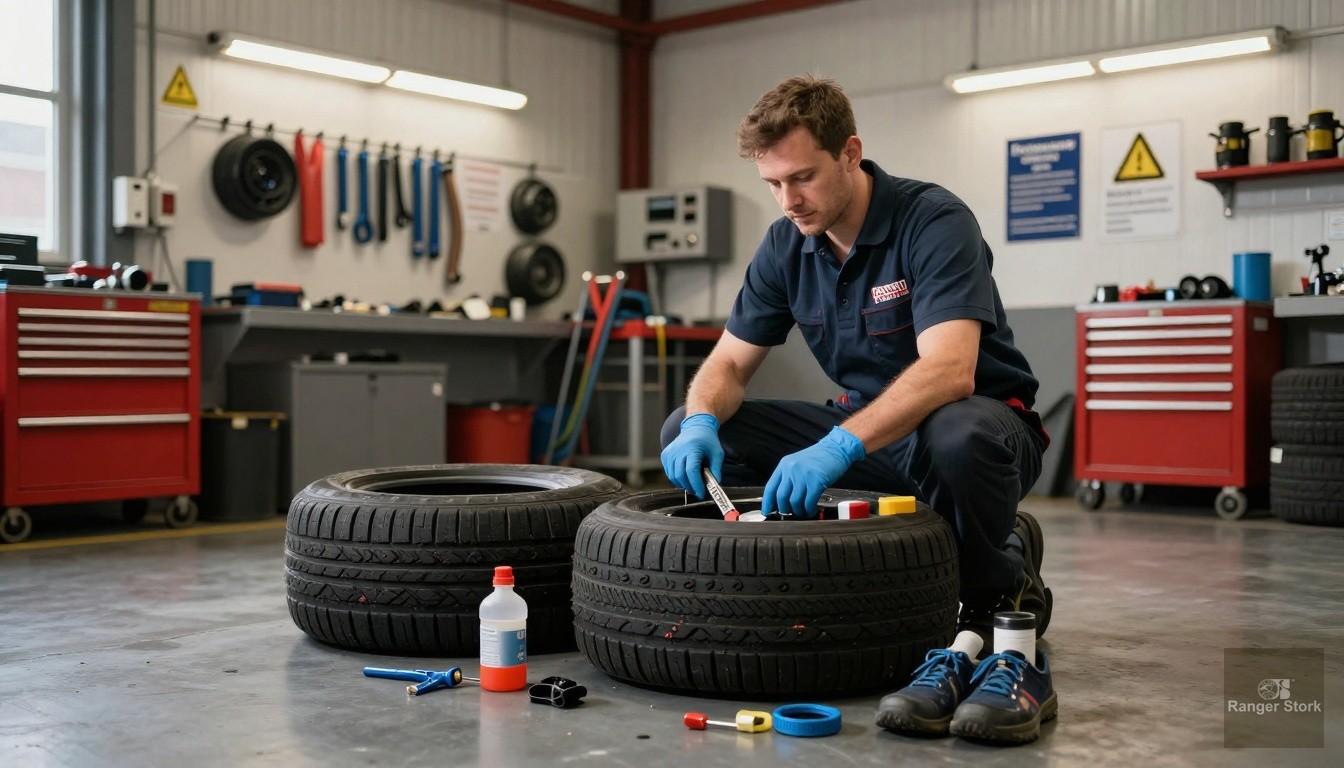
In the rapidly evolving automotive ecosystem of 2026, the British workshop stands at a critical crossroads of innovation and liability. No longer can tyre repair be viewed as a mere “quick fix” or a peripheral service; it has transitioned into a highly regulated, technically demanding safety procedure. As the automotive world shifts toward heavier, torque-rich Electric Vehicles (EVs) and ultra-high-performance rubber, the “contact patch”—that singular area where the tyre meets the road—is under more mechanical stress than at any point in history.
For the modern workshop owner, maintaining harmony between service efficiency and uncompromising safety is the ultimate goal. Providing a professional-grade repair is no longer just about stopping a leak; it is about restoring the structural integrity of a safety-critical component. This guide moves beyond the rudimentary DIY solutions found in consumer aisles, focusing instead on the professional-grade equipment, chemical standards, and regulatory frameworks that define the 2026 UK workshop landscape.
Beyond the immediate safety implications, there is a compelling economic narrative. Investing in a high-quality repair station is a strategic move. While a simple tyre replacement is a one-time transaction, the ability to offer a certified, BSAU159-compliant repair provides a high-margin service that builds immense customer trust. In an era where sustainability is paramount, repairing a tyre with ample tread—rather than scrapping it—aligns with the green initiatives of the modern British consumer and the circular economy.
The Legal Pillars: BSAU159 and DVSA MOT Criteria
To operate a workshop in the UK without a granular understanding of BSAU159 is to walk a legal tightrope without a net. BSAU159 is the British Standard that dictates the materials, methods, and limits for tyre repairs. In 2026, this standard remains the non-negotiable benchmark for professional conduct and insurance indemnity.
Understanding the “Minor Repair Area”
The standard defines a specific “Minor Repair Area,” typically the central 60% to 70% of the tyre’s breadth, technically referred to as the T-zone. Any puncture occurring outside this zone—specifically in the sidewalls or the shoulders (the S-zone)—is strictly non-repairable. The rationale is rooted in fundamental physics: the sidewall is the most flexible part of the tyre, subject to constant deformation and heat cycles. A repair here is destined for fatigue failure because bonding agents cannot withstand the constant kinetic energy and flex.
Q: Why is BSAU159 considered the non-negotiable standard for UK workshops in 2026?
A: BSAU159 defines the materials, methods, and limits for tyre repairs. For a UK workshop, adhering to this isn’t just about quality; it’s about legal indemnity. If a tyre fails post-repair and it is found that the repair was performed outside the “Minor Repair Area” or using non-compliant materials (like simple string plugs), the workshop is liable for any resulting accident. The standard ensures that the structural integrity of the tyre is not compromised. In 2026, with heavier Electric Vehicles (EVs) putting more stress on tyres, the margin for error is zero. BSAU159 provides a clear “repair or scrap” framework that protects the technician, the business owner, and the driver.
The Role of the DVSA and MOT
The Driver and Vehicle Standards Agency (DVSA) reinforces these standards through the annual MOT test. An MOT inspector is trained to identify signs of substandard repairs, such as external “bacon strip” plugs or patches showing signs of lifting. A non-compliant repair constitutes an immediate MOT failure. Supporting evidence from the latest iteration, BSAU159:2024, specifies that for passenger cars, the maximum diameter of a puncture repairable area is exactly 6mm. Anything larger compromises the steel belts to a degree that cannot be safely bridged by a patch, necessitating a full tyre replacement.
Categorizing the Kit: Tubeless, Tube, and Combination Systems
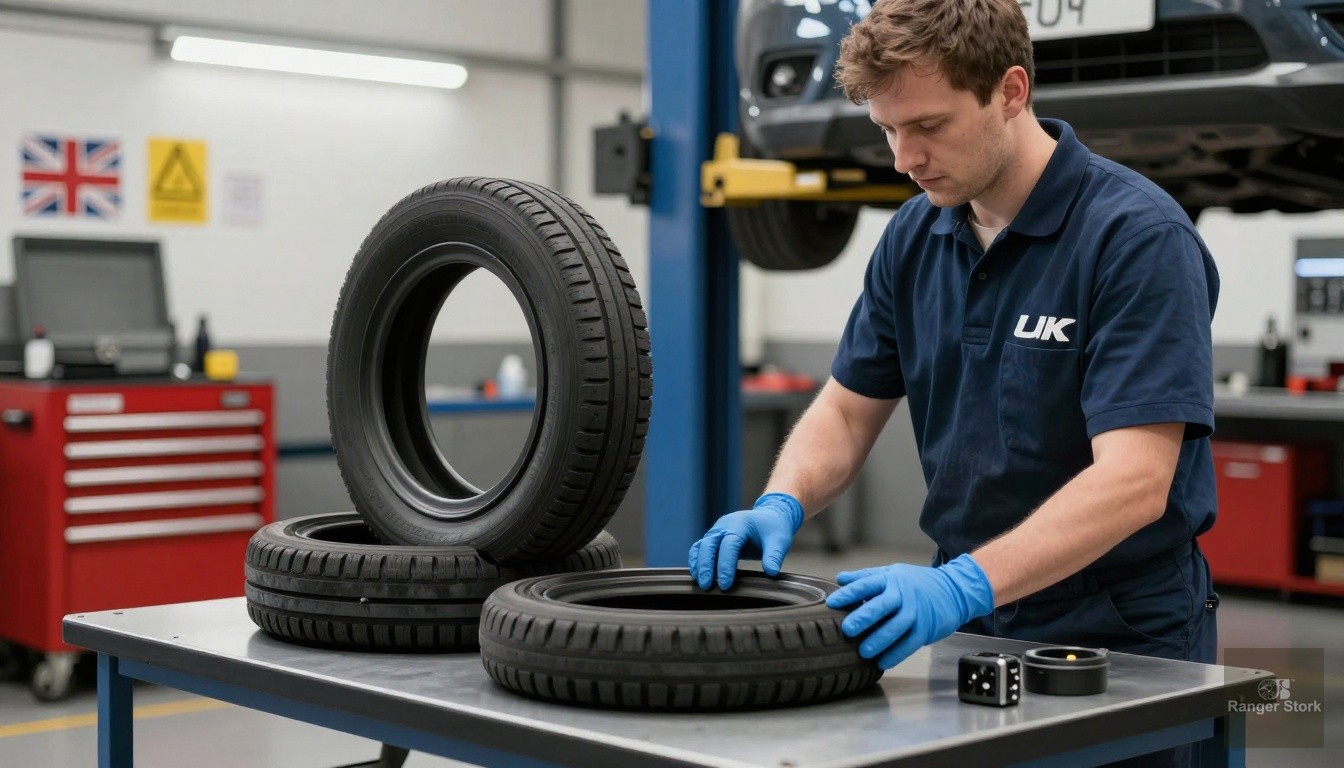
A master craftsman is only as effective as their toolkit. In 2026, the variety of tyre repair kits available to UK workshops is vast, and choosing the right one requires a nuanced understanding of your specific customer base and vehicle throughput.
1. Tubeless Repair Kits
These are the industry standard for the vast majority of modern passenger cars and light commercial vehicles (LCVs). Professional kits focus on internal patches and “mushroom” plugs that interface directly with the tyre’s inner liner. These kits must include high-quality reamers and carbide cutters to ensure the puncture path is prepared without damaging the surrounding steel belts.
2. Tube Repair Kits
While rare in the modern passenger car parc, tube repair kits remain essential for workshops servicing vintage vehicles, specific motorcycles, and agricultural machinery. These kits rely on highly flexible patches that can expand and contract in unison with the tube itself. In 2026, the chemical composition of these patches has improved to offer better heat resistance, crucial for the higher operating temperatures of modern agricultural work.
3. Combination Systems: The Workshop Gold Standard
The pinnacle of workshop investment is the “Combination Kit.” These systems provide the versatility to handle diverse vehicle fleets, from a lightweight city car to a heavy commercial van. The evolution of materials within these kits is noteworthy; we have moved beyond basic rubber patches to high-tensile, fabric-reinforced units. These patches are engineered to mirror the tyre’s own construction, offering a degree of flexibility and strength that basic vulcanizing patches simply cannot match.
When choosing a kit, workshops must consider the vehicle classes they frequent. A kit designed for heavy commercial vehicles will feature larger patches and thicker “stems” to handle higher ply ratings and pressures. Conversely, a passenger car kit focuses on precision and the ability to maintain the tyre’s balance at high speeds.
The Science of the Bond: Cold vs. Hot Vulcanization
The heart of any tyre repair lies in the chemical bond between the repair unit and the tyre casing. This process, known as vulcanization, transforms two separate pieces of rubber into a single, monolithic structure through molecular cross-linking.
Cold Vulcanization (Chemical Cure)
This is the industry’s preferred choice for 90% of passenger car punctures. It involves a bonding fluid (vulcanizing fluid) that contains specific chemical accelerators. When this fluid meets the gray bonding layer of a professional patch, it triggers a molecular reaction at room temperature.
Professional tyre repair relies on “monomer-based” vulcanizing fluids. Unlike simple glue, these fluids create a bond that reaches 90% of its maximum strength within just 10 minutes, provided the surface has been prepared correctly (typically to an RMA 2 or 3 texture). This allows for rapid turnaround times without sacrificing the safety of the bond.
Hot Vulcanization
This involves heat presses and is generally reserved for “Major Repairs” on commercial, agricultural, or earthmover tyres where the damaged area is significantly larger. Hot vulcanization uses heat and pressure to “cook” the rubber, creating a bond capable of withstanding the extreme loads of heavy machinery.
Q: Is hot vulcanization still relevant for a standard passenger car workshop?
A: For standard passenger car punctures (nails, screws), hot vulcanization is largely overkill. Modern chemical “cold” vulcanizing fluids are incredibly advanced and create a permanent bond that is often stronger than the rubber itself within minutes. For the average UK workshop, a high-quality cold vulcanization kit is more cost-effective, faster, and perfectly sufficient for 99% of the work they will encounter.
The Importance of Chemical Freshness
Technicians must be mindful of the shelf-life of these fluids. Using expired or contaminated chemicals is a leading cause of repair failure. In a professional environment, “Freshness is the silent partner of safety.” Always ensure lids are replaced immediately to prevent the evaporation of volatile solvents.
Methodology Matters: why the “Mushroom” Combi-Plug Wins
The methodology employed during a repair is what separates a professional workshop from a roadside amateur. In 2026, the industry has reached a consensus on what constitutes a “permanent” and “safe” repair.
The Fallacy of the “String” or “Plug-only” Method
Commonly referred to as “bacon strips,” these are widely dismissed for permanent workshop repairs. While effective for getting a vehicle to a garage in an emergency, they are non-BSAU159 compliant. They do not seal the inner liner and allow moisture to penetrate the tyre’s internal steel belts, leading to catastrophic corrosion and eventual delamination over time.
The Limitation of the “Patch-only” Method
While a patch seals the inner liner to keep air in, it leaves the puncture path open to the external environment. Moisture, road salt, and debris can still enter the carcass, eventually weakening the structure.
The “Mushroom” Combi-Plug (The Gold Standard)
This dual-action approach involves a stem that fills the puncture path and a patch head that seals the inner liner. This is the only method that addresses both the internal air seal and the external protection of the tyre’s structure.
Q: What is the technical difference between a “string” repair and a “mushroom” combi-plug?
A: A “string” repair is an external fix where a resin-coated cord is pushed into the hole from the outside. This is strictly for roadside emergencies. Conversely, a “mushroom” combi-plug is an internal repair that requires the tyre to be demounted. The stem fills the puncture path to keep moisture out, while the patch head seals the inner liner to keep air in. This dual-action approach is the only method that meets BSAU159 requirements for a permanent, safe repair in a professional environment.
The Professional Workflow for a Mushroom Repair:
- Demount and Inspect: Remove the tyre to check for internal “run-flat” damage, heat mottling, or structural bruising.
- Puncture Alignment: Identify the exact angle of the puncture to ensure the stem aligns perfectly.
- Reaming: Use a carbide cutter to clean the puncture path, ensuring no frayed steel wires remain to damage the new repair unit.
- Buffing: Texture the inner liner using a low-speed buffer to a specific RMA standard to maximize the surface area for chemical bonding.
- Cementing: Apply vulcanizing fluid and allow it to reach the correct state of “tackiness” (usually 3-5 minutes).
- Insertion and Stitching: Pull the combi-plug through and use a heavy-duty roller (stitcher) to remove all air bubbles from under the patch head.
- Sealing: Apply “Inner Liner Sealer” over the buffed area to restore the tyre’s original airtight integrity.
Navigating Modern Complexities: Run-Flat Tyres and TPMS Sensors
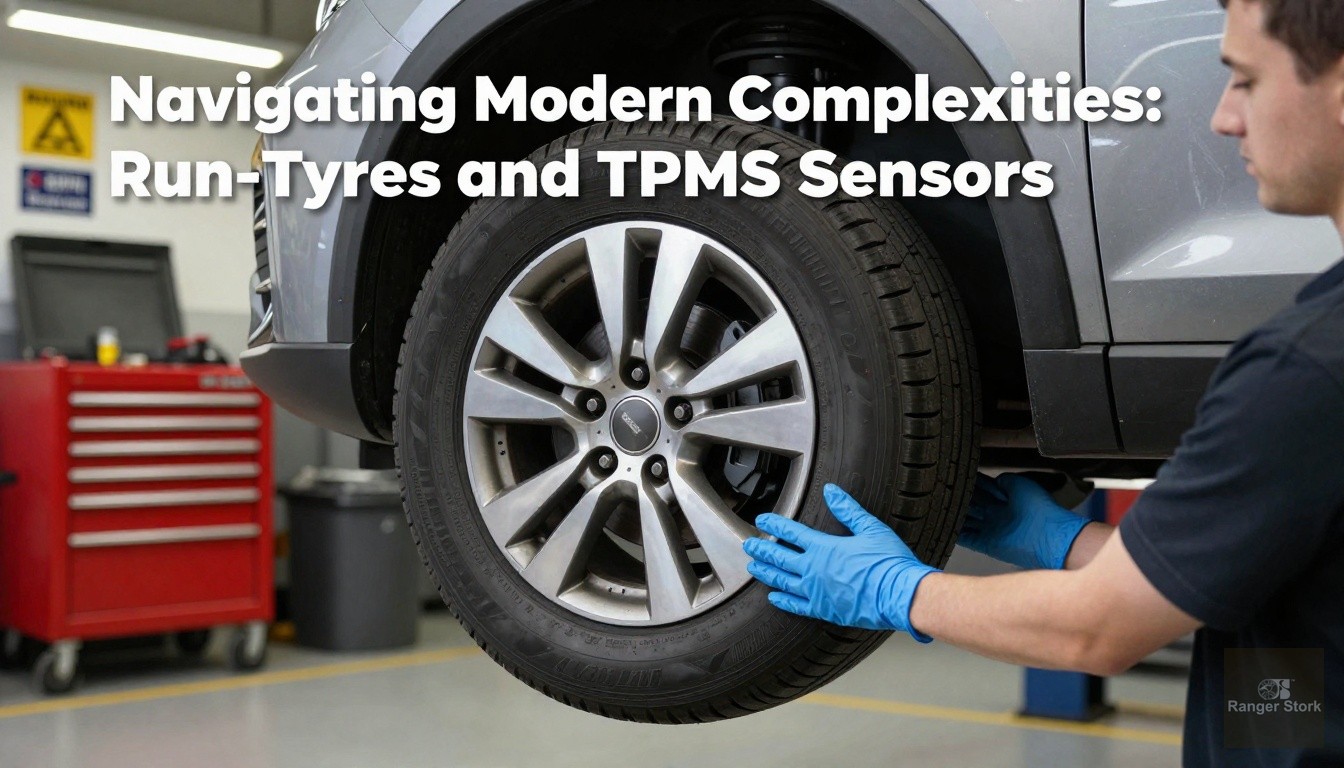
Modern vehicle technology introduces complexities that a 2026 repair kit and its operator must be prepared to handle with precision.
Run-Flat Tyres (RSC/SSR)
The structural integrity of a Run-Flat tyre relies on reinforced sidewalls. If the tyre has been driven while deflated, these sidewalls undergo immense heat and stress, often leading to internal structural disintegration that is invisible from the outside.
Q: Can Run-Flat tyres be repaired, or must they always be replaced?
A: This is a contentious issue. Technically, if a Run-Flat tyre has been driven on while deflated, the internal sidewall structure is likely compromised. Most premium manufacturers (like Continental and Pirelli) advise against any repair to Run-Flats because a technician cannot verify the integrity of the reinforced sidewall without X-ray equipment. For a UK workshop, the safest policy is to replace. If a repair is attempted, the customer must be informed of the risks, and the tyre must be inspected internally for “marbling” or rubber dust, which are clear signs of terminal failure.
TPMS Sensors: The Universal Requirement
The presence of Tyre Pressure Monitoring System (TPMS) sensors is now universal, with the vast majority of the UK car parc equipped.
Q: How does the presence of TPMS sensors affect the choice and use of a repair kit?
A: TPMS sensors add a layer of fragility. When breaking the bead to perform an internal repair, a technician must be extremely careful not to snap the sensor. Furthermore, if a repair kit includes “sealants” or “liquids,” they must be explicitly labeled as “TPMS safe” to prevent clogging the sensor valve. Professional workshops should invest in kits that include replacement TPMS valves and service kits (seals and nuts), as these should ideally be replaced whenever the tyre is demounted to ensure a long-term seal.
The Investment Spectrum: Price Ranges from £20 to £200
When it comes to purchasing a repair kit, the UK market offers a spectrum of price points. Understanding what you are paying for is essential for long-term workshop profitability.
Entry Level (£20–£50)
These are basic starter kits. They often lack high-end carbide cutters or the variety of “mushroom” plug sizes (3mm, 6mm, 8mm) needed for a high-volume shop. These are better suited for very small garages or as secondary backup kits for low-frequency use.
The “Sweet Spot” (£50–£120)
The majority of independent UK garages operate here. These kits typically feature ergonomic tools, a broader assortment of patch sizes, and higher-quality buffers. They provide the best balance between initial cost and the quality of the finished repair.
Professional “Station” Kits (£120–£200+)
At this level, you aren’t just buying patches; you are buying a precision system.
Q: What should a workshop look for when spending £150+ on a “Premium” repair station?
A: Look for a kit that includes a high-speed pneumatic buffer, a set of specialized carbide cutters, and a heavy-duty “stitcher” tool. Premium kits also offer specialized “inner liner sealer” and “bead sealant.” The quality of the carbide cutter alone can be the difference between a repair that lasts the life of the tyre and one that leaks. These kits are designed for high-volume environments where speed and reliability are paramount.
Return on Investment (ROI)
The ROI for premium kits is exceptional. A £180 kit typically contains material for approximately 50 repairs. With the average UK workshop charging £25–£35 per repair, the kit generates up to £1,750 in revenue. The kit pays for itself within the first 6 to 8 repairs, making it one of the most profitable investments a garage can make in terms of floor-space-to-revenue ratio.
Post-Repair Protocols: Speed Ratings and Consumer Safety
The final stage of the tyre repair process is as much about communication as it is about mechanics. There is a common myth that a repaired tyre loses its speed rating entirely.
Q: How do speed ratings (V, W, Y) impact the repair process in 2026?
A: High-performance tyres (V, W, Y ratings) have stricter repair limits. Under BSAU159, you are generally limited to one repair in the tread area for tyres rated V and above. The repair must be executed with extreme precision because any imbalance or structural weakness is magnified at speeds over 130mph. While a properly executed mushroom repair technically maintains the speed rating, workshops must inform customers that the tyre has been modified. If the puncture is larger than 6mm on a high-performance tyre, UK standards dictate that the tyre should be replaced.
The Importance of Heat Management
At sustained motorway speeds, tread temperatures can exceed 80°C. If a repair used a low-quality plug instead of a chemically vulcanized mushroom, the centrifugal force and heat could cause the repair to fail. This is why the “one repair per tyre” rule is so strictly applied to high-speed tyres in the UK.
Final Checklist for Workshops:
- Visual Inspection: Check for sidewall bulges, “marbling” on the inner liner, or exposed cords.
- Leak Test: Use a dedicated leak-detector spray to ensure the seal is 100% airtight before mounting.
- Re-balancing: Always re-balance the wheel after a repair. The patch and plug add weight to one side of the tyre, which can cause vibrations at speed.
- Documentation: Provide the customer with a record confirming the repair was performed to BSAU159:2024 standards. This serves as a critical paper trail for insurance purposes.
Conclusion: Order in the Workshop, Safety on the Road
In the meticulous world of 2026 tyre repair, the job isn’t finished until the safety is verified and the paperwork is signed. By moving away from “quick-fix” mentalities and embracing professional-grade kits, UK workshops can bring harmony to their operations—balancing high-profit margins with the sacred duty of keeping drivers safe.
Whether you are servicing a heavy, high-torque Tesla or a high-performance BMW, the principles remain the same: adhere to BSAU159, use the “mushroom” method, and never compromise on the quality of your vulcanizing chemicals. In doing so, you transform your workshop from a simple parts-fitter into a center of precision engineering excellence, ensuring that every vehicle leaves your bay ready for the rigours of the modern road.